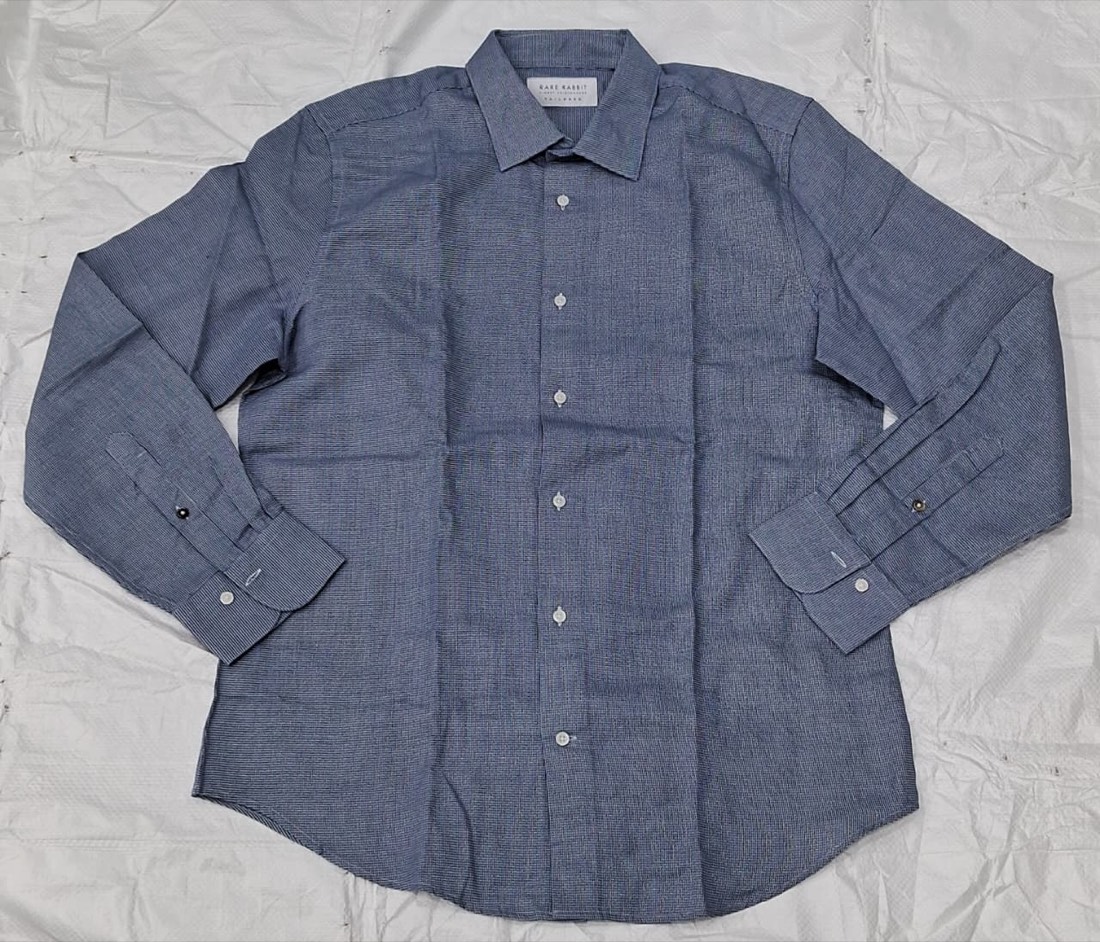
The shirt is never just a shirt.
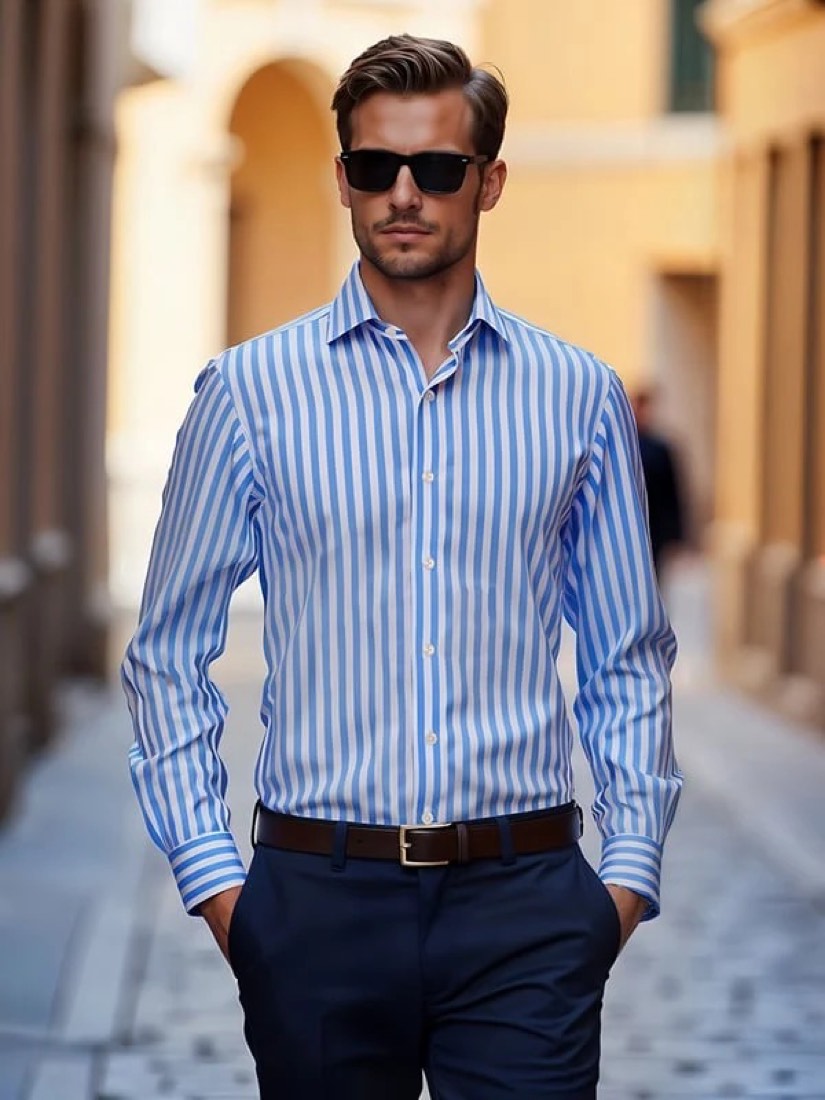
An exploration of modern formal shirts — where proportion, construction, collar design and personal style define the language of contemporary menswear.
Enter the Shirt Code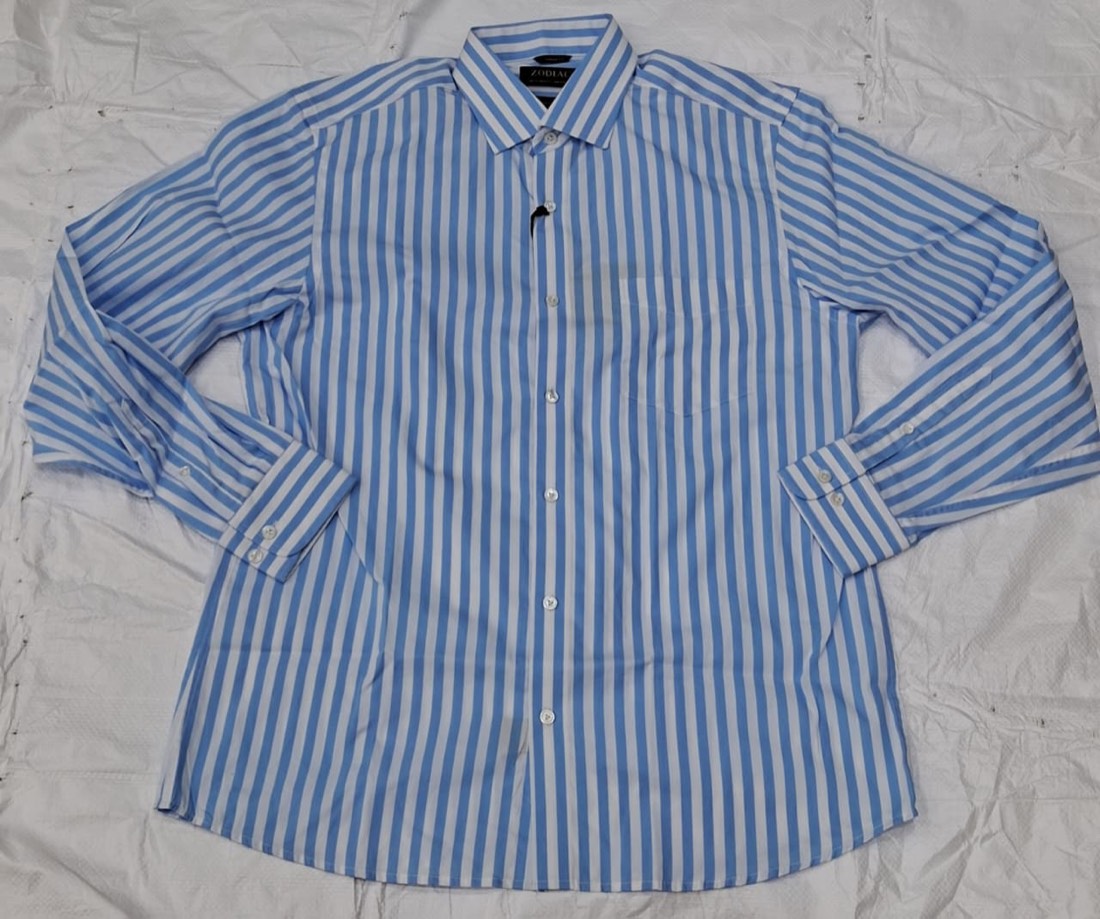
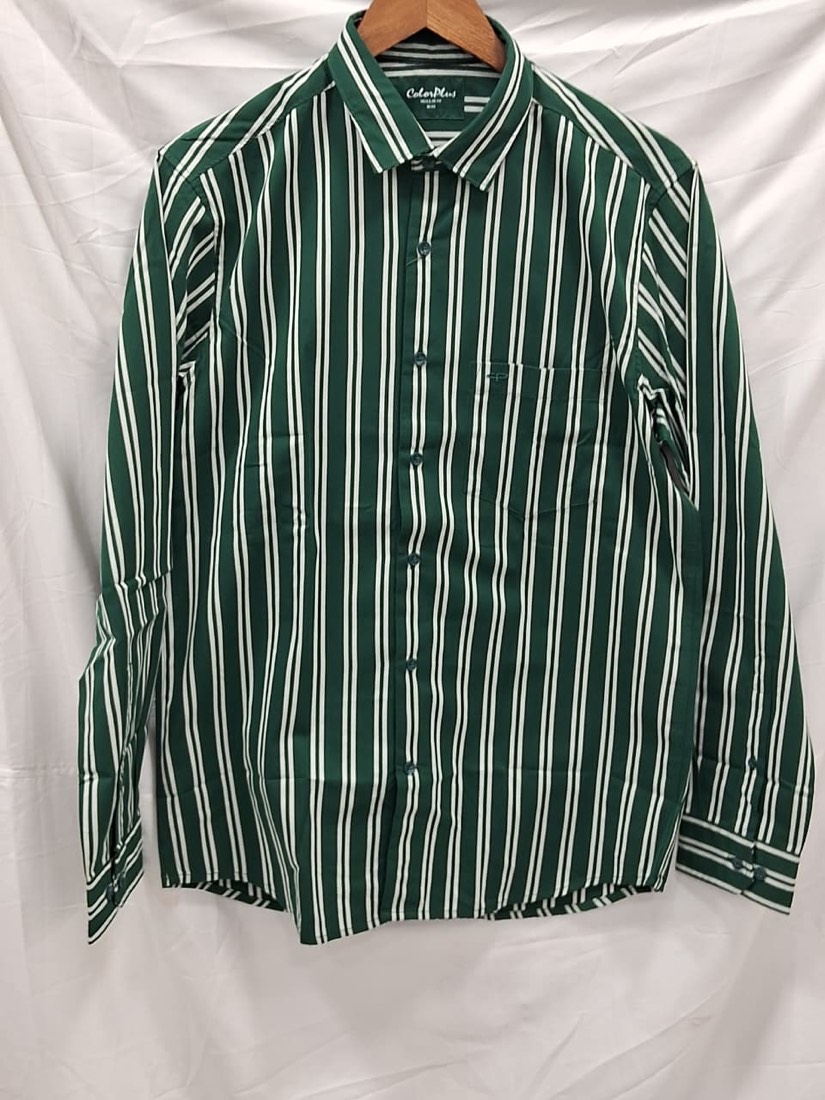
§2The Formal Shirt Index
§3Anatomy of a Shirt
§4Collar Culture
§5The Fit Manual
§ 02The Formal Shirt IndexTen specimens
An index of men's formal shirts, catalogued by character.
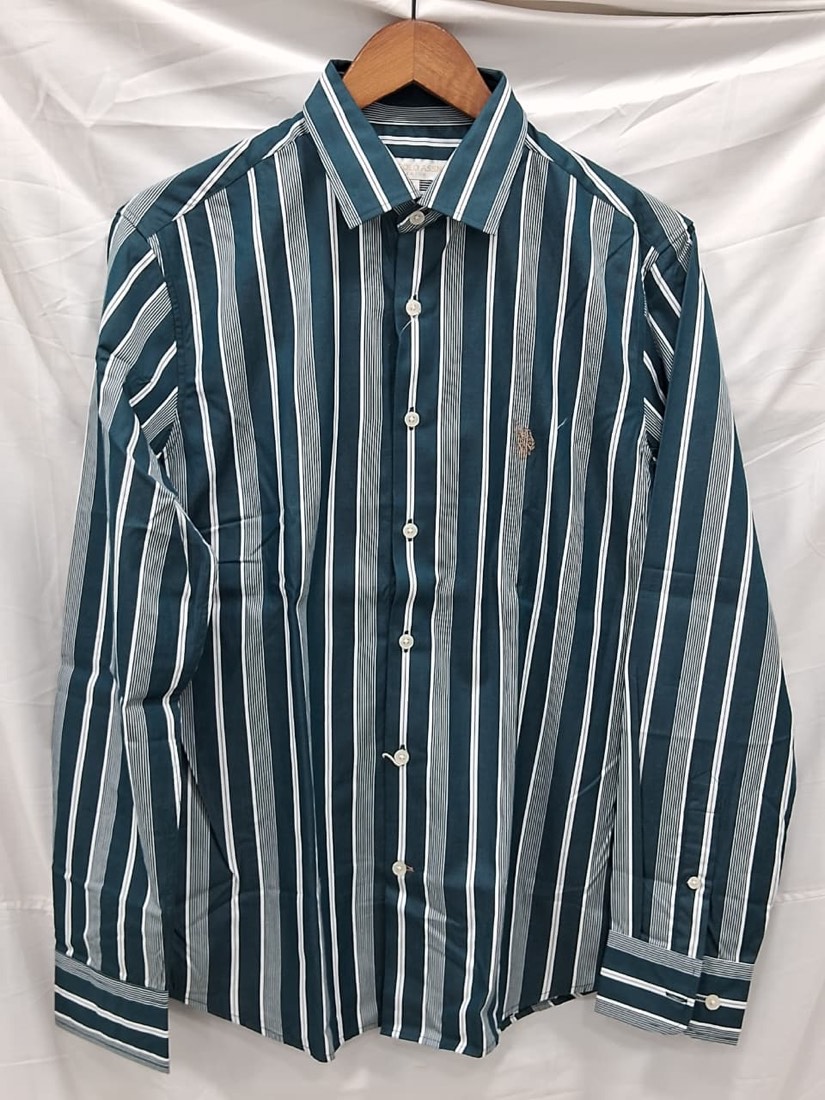
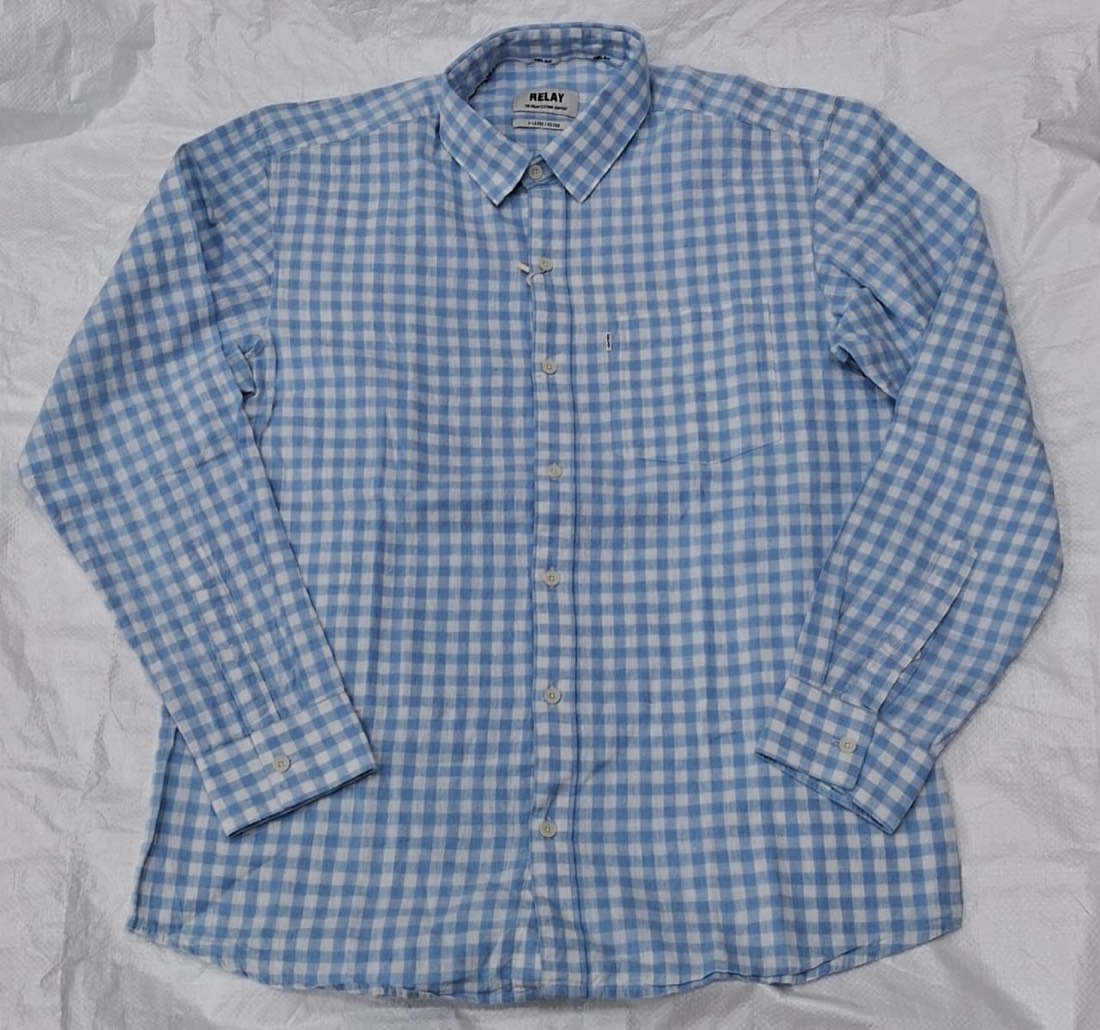
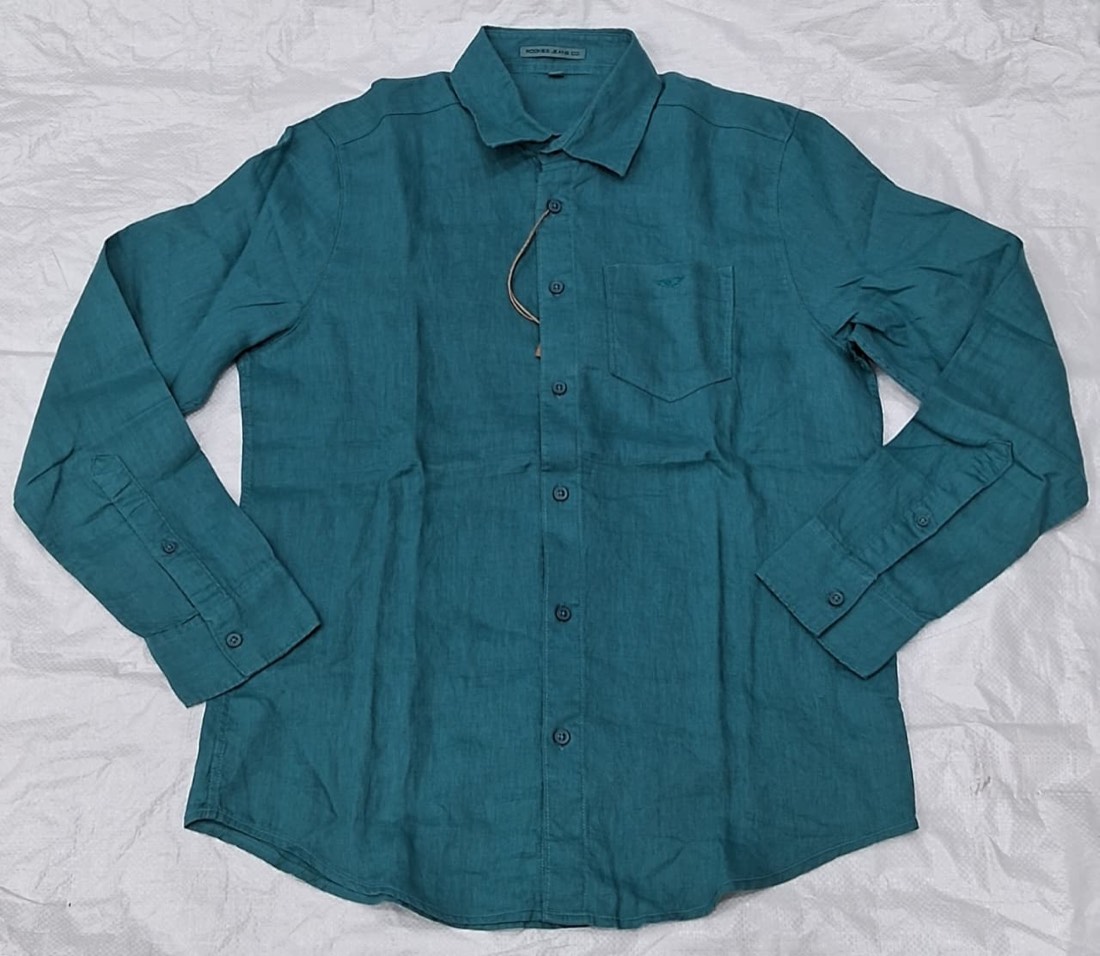
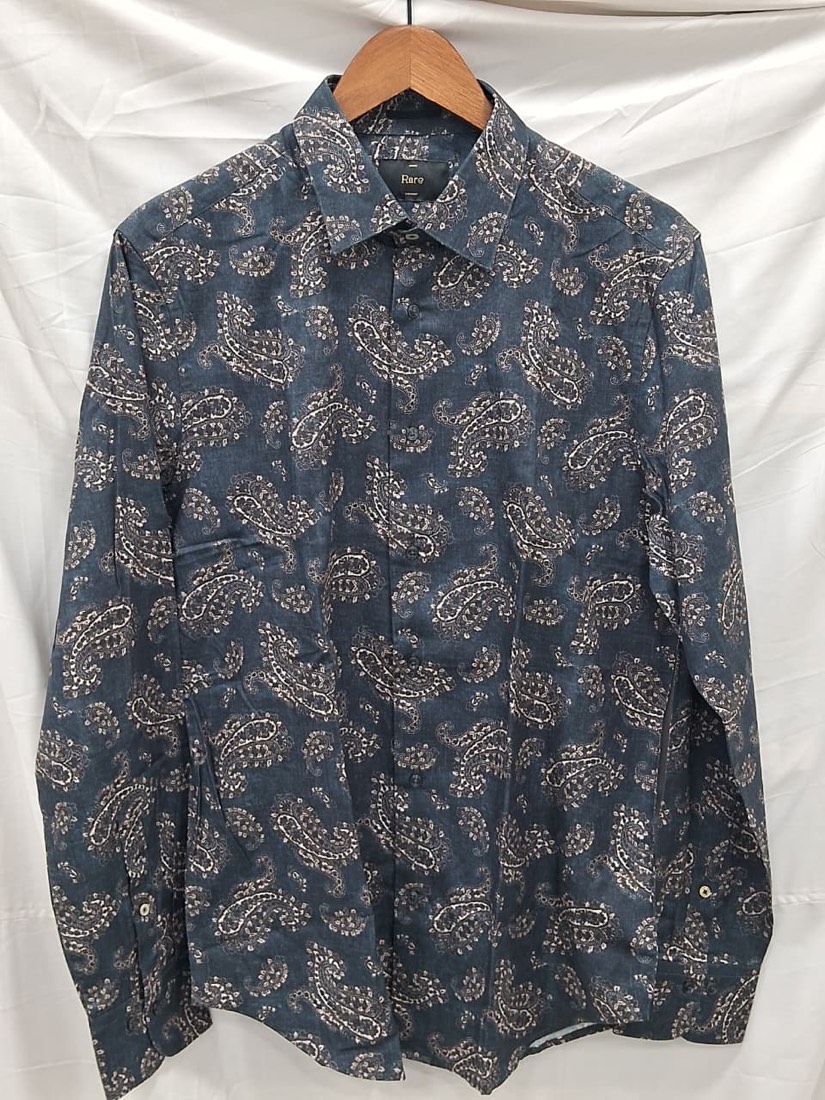
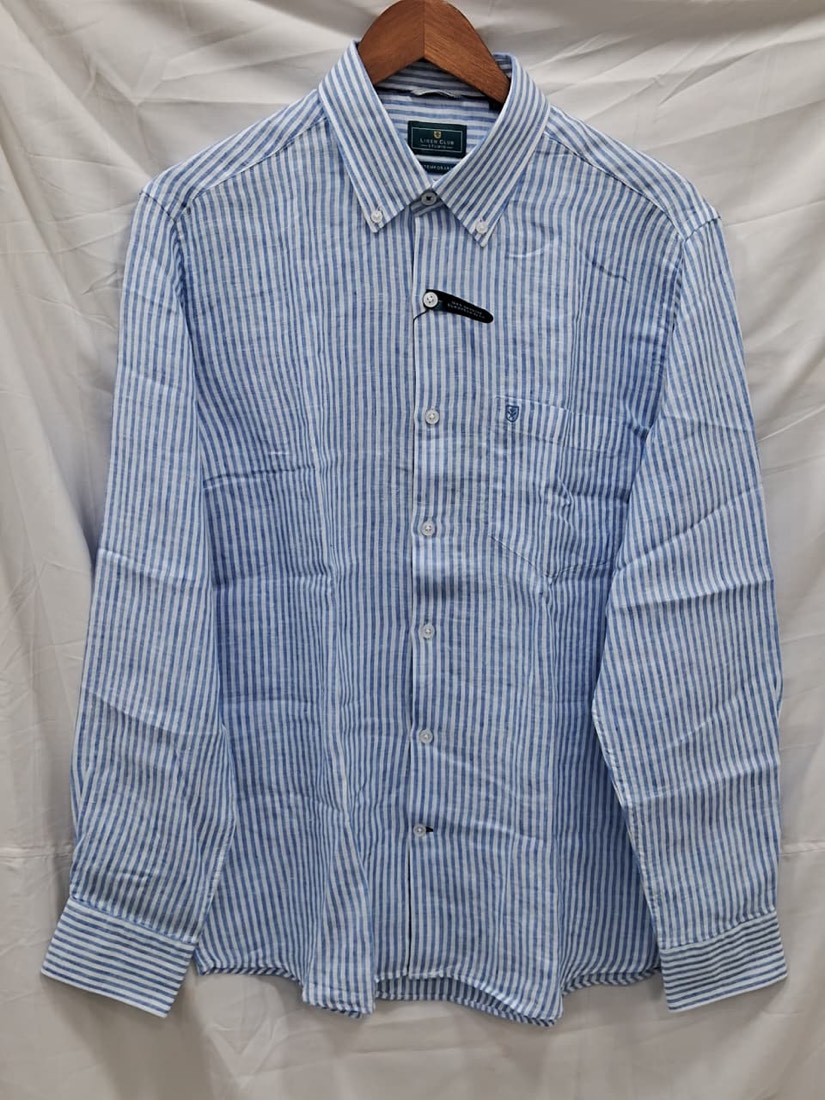
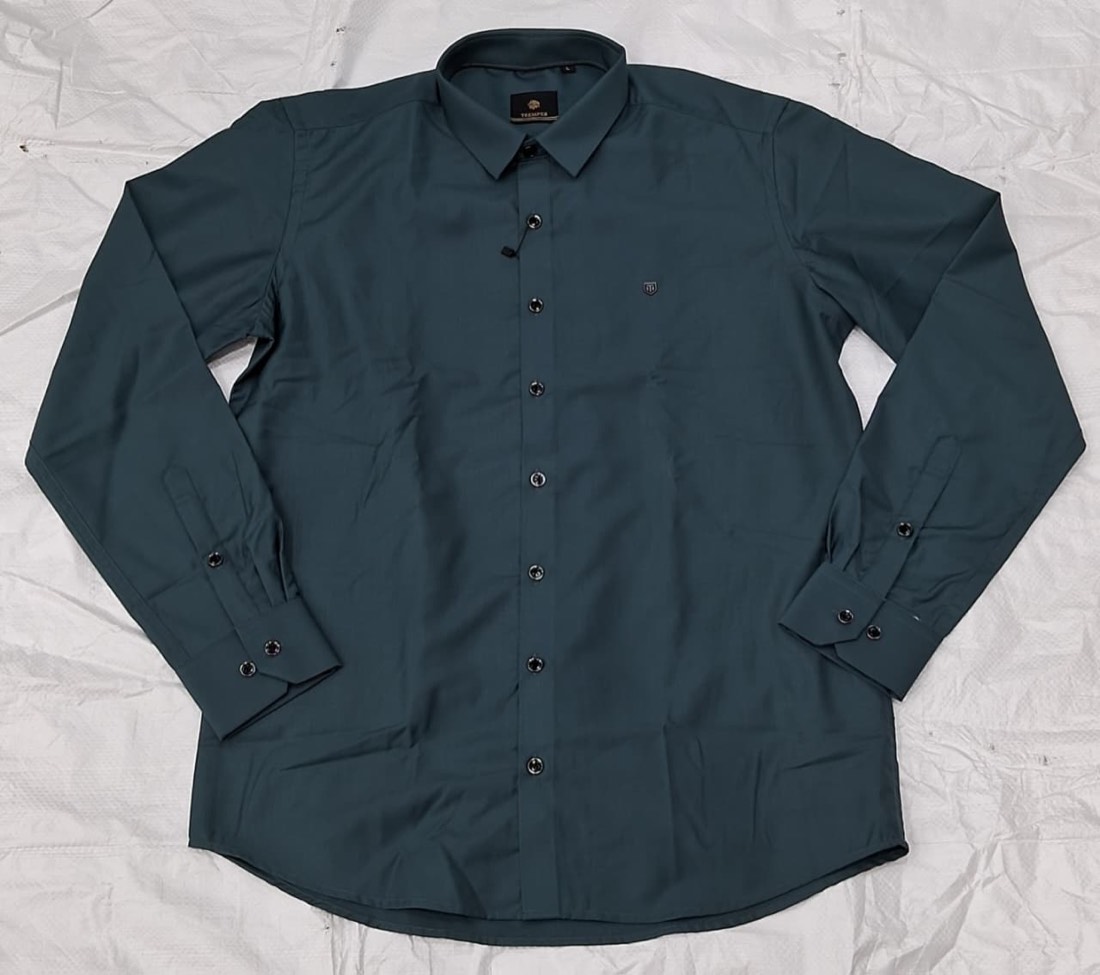
Every formal shirt belongs to a family — defined by its pattern, its silhouette or the setting it was made for. These ten specimens form the working vocabulary of a men's formal shirt collection, from the classic office shirt to the confident printed piece.
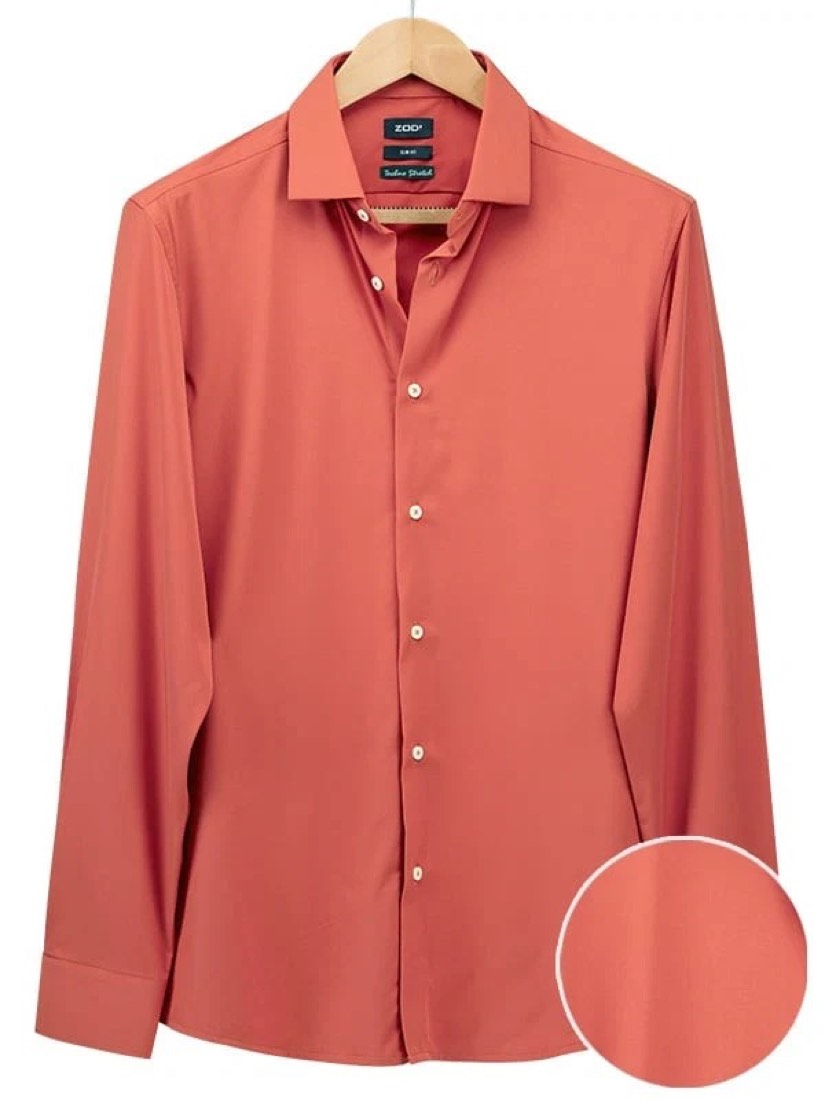
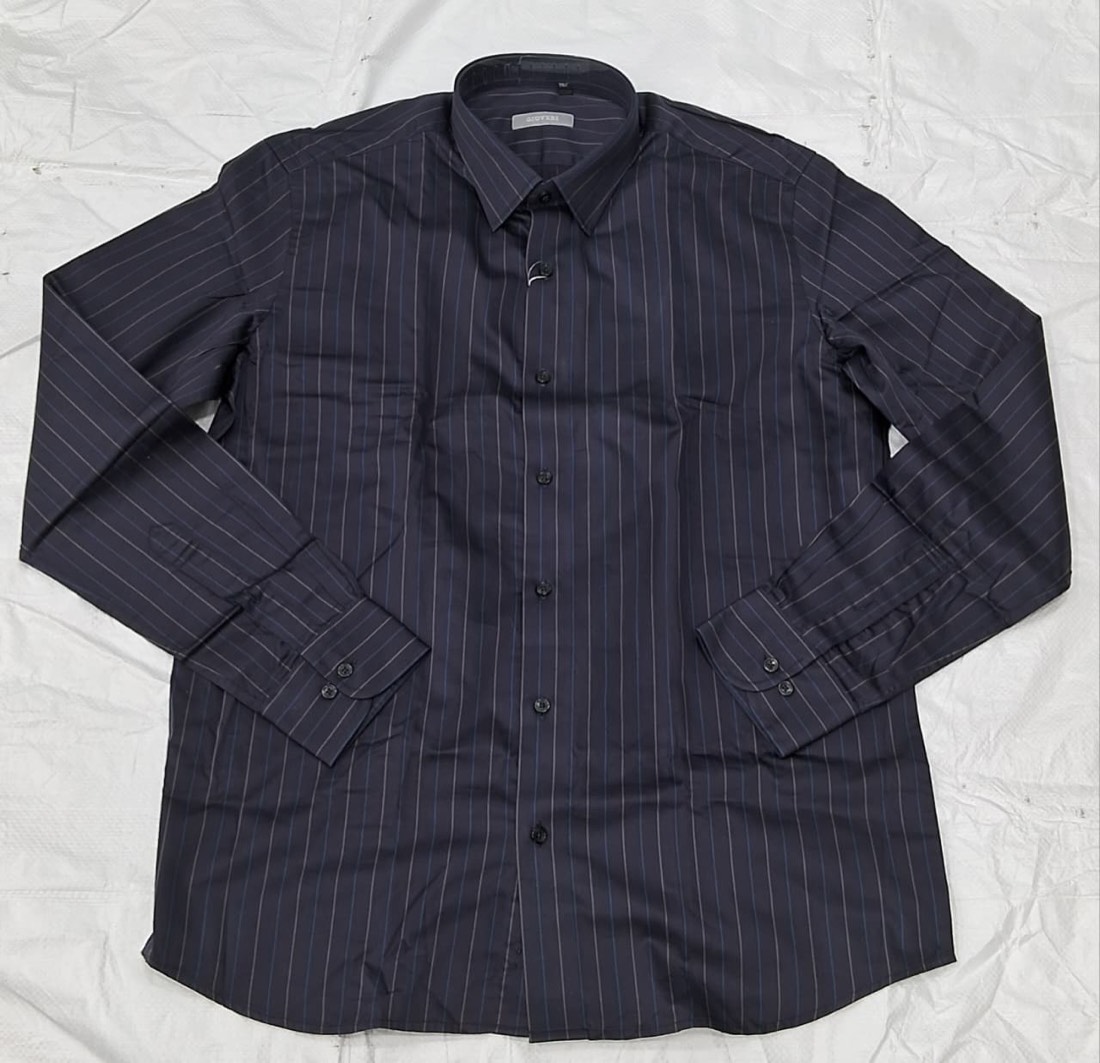
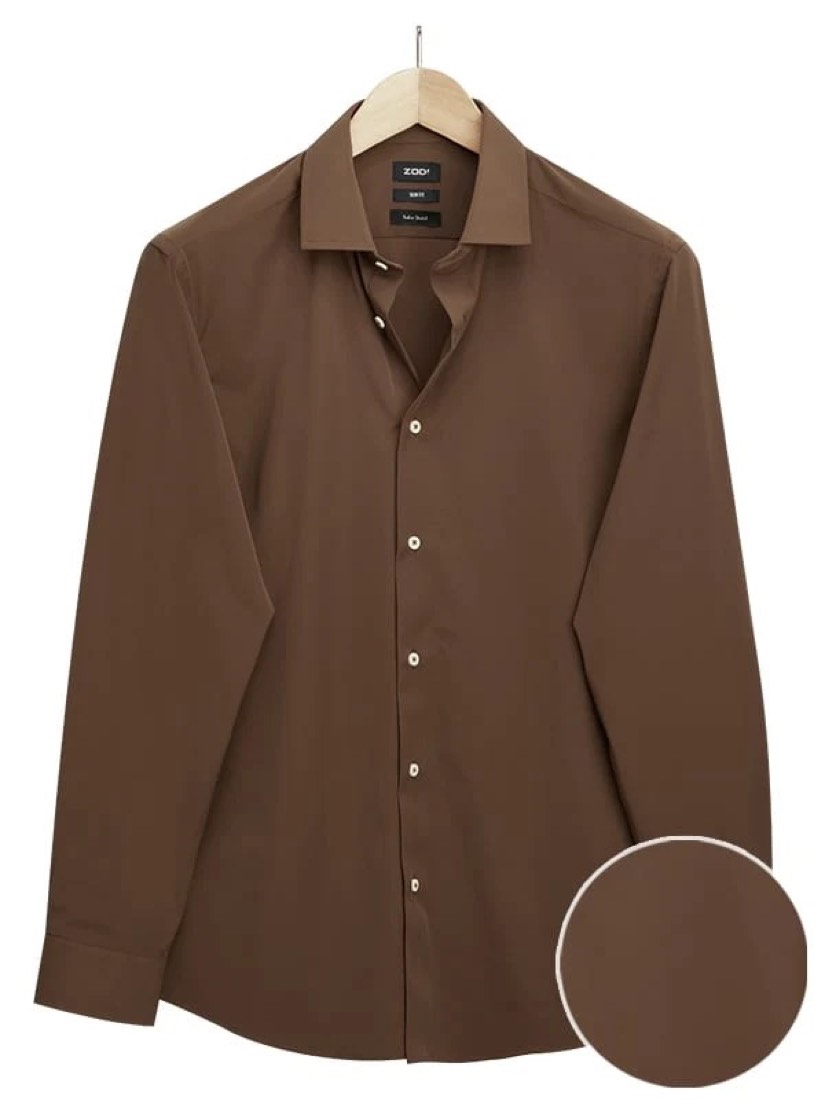
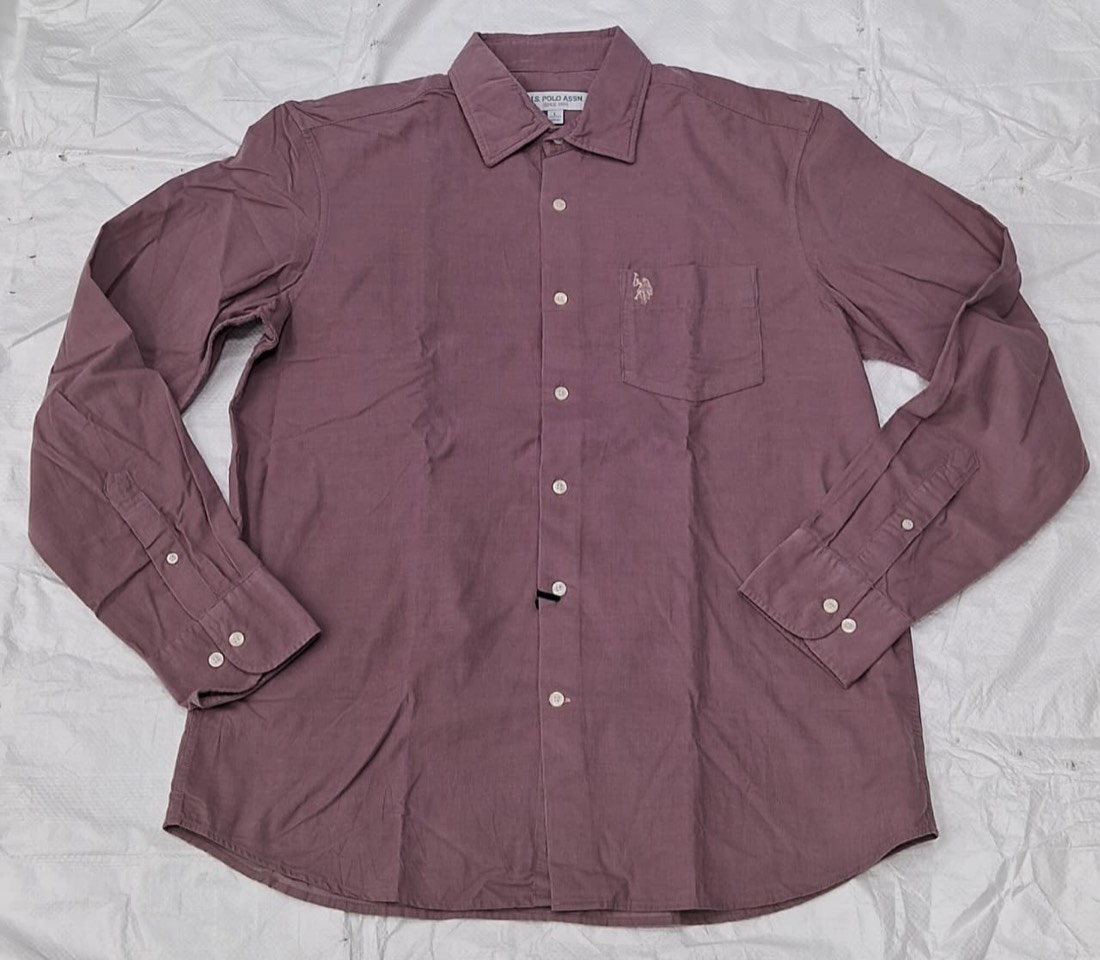
§ 03The Anatomy of a ShirtReference plate · 11 parts
Eleven parts, one garment.
A formal shirt is a small piece of engineering. Each component has a job — framing the face, holding a line, allowing movement — and together they decide how polished the shirt looks when it is worn.
Select a numbered marker to read its note.
- 01
Collar
The most visible part of the shirt. Its spread and point length frame the face and determine which tie knots sit comfortably.
- 02
Collar stand
The band that rises from the neckline and lifts the collar. A well-shaped stand keeps the collar upright under a jacket.
- 03
Placket
The reinforced strip that carries the buttons and buttonholes. A neat placket gives the front its vertical line.
- 04
Front buttons
Spacing and size matter: evenly placed buttons stop the front from gaping when you sit or reach.
- 05
Pocket
Usually a single chest pocket on the left side. Many dressier shirts omit it entirely for a cleaner front.
- 06
Sleeve
Set into the armhole and finished with a sleeve placket above the cuff, so the cuff can open over the hand.
- 07
Cuff
Closes the sleeve at the wrist. Button (barrel) cuffs are standard; double cuffs fold back and fasten with cufflinks.
- 08
Hem
Typically curved on formal shirts — longer at front and back — so the shirt stays tucked through the day.
- 09
Stitching & finishing
Even, fine stitching along the collar, placket and seams is where quality quietly shows itself.
- 10
Yoke
The panel across the upper back joining front to back at the shoulders. It shapes how the shirt sits across the shoulders.
- 11
Back pleats
Folds below the yoke — a centre box pleat or two side pleats — that add room for movement across the back.
§ 04Collar CultureSeven silhouettes
The collar speaks first.
Before anyone notices the colour of a shirt, they register the shape around the face. Collar spread — the distance between the two collar points — is the single biggest factor in how formal, modern or relaxed a men's shirt looks.
Narrow spread
Point
Long points set close together. Lengthens the face; suits slimmer tie knots.
Moderate spread
Classic
The balanced, all-purpose collar found on most office shirts.
Medium-wide
Semi-Spread
A modern middle ground — works with and without a tie.
Wide spread
Spread
Points angled outward; frames fuller tie knots and broadens the face.
Extreme spread
Cutaway
Points swept almost horizontal. Assertive and contemporary.
Buttoned points
Button-Down
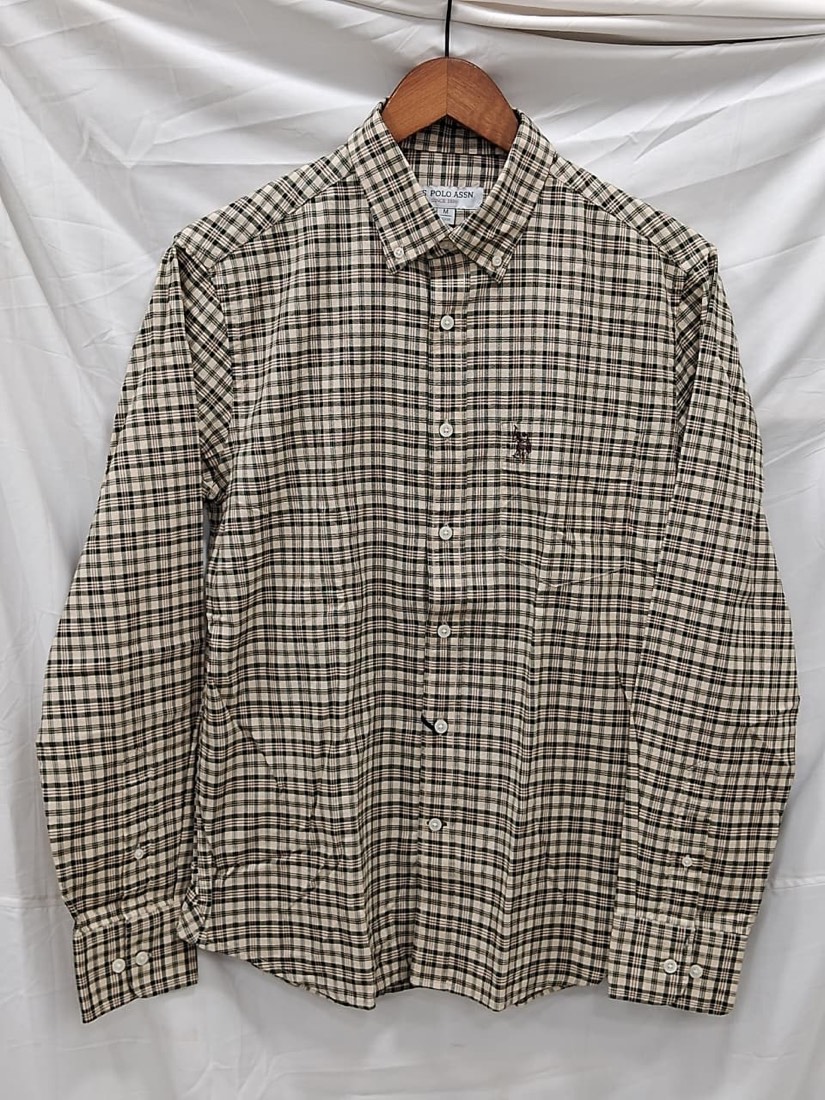
Points fasten to the shirt front. Relaxed, smart-casual character.
Rounded points
Club
Softly rounded tips with a distinctly vintage, characterful air.
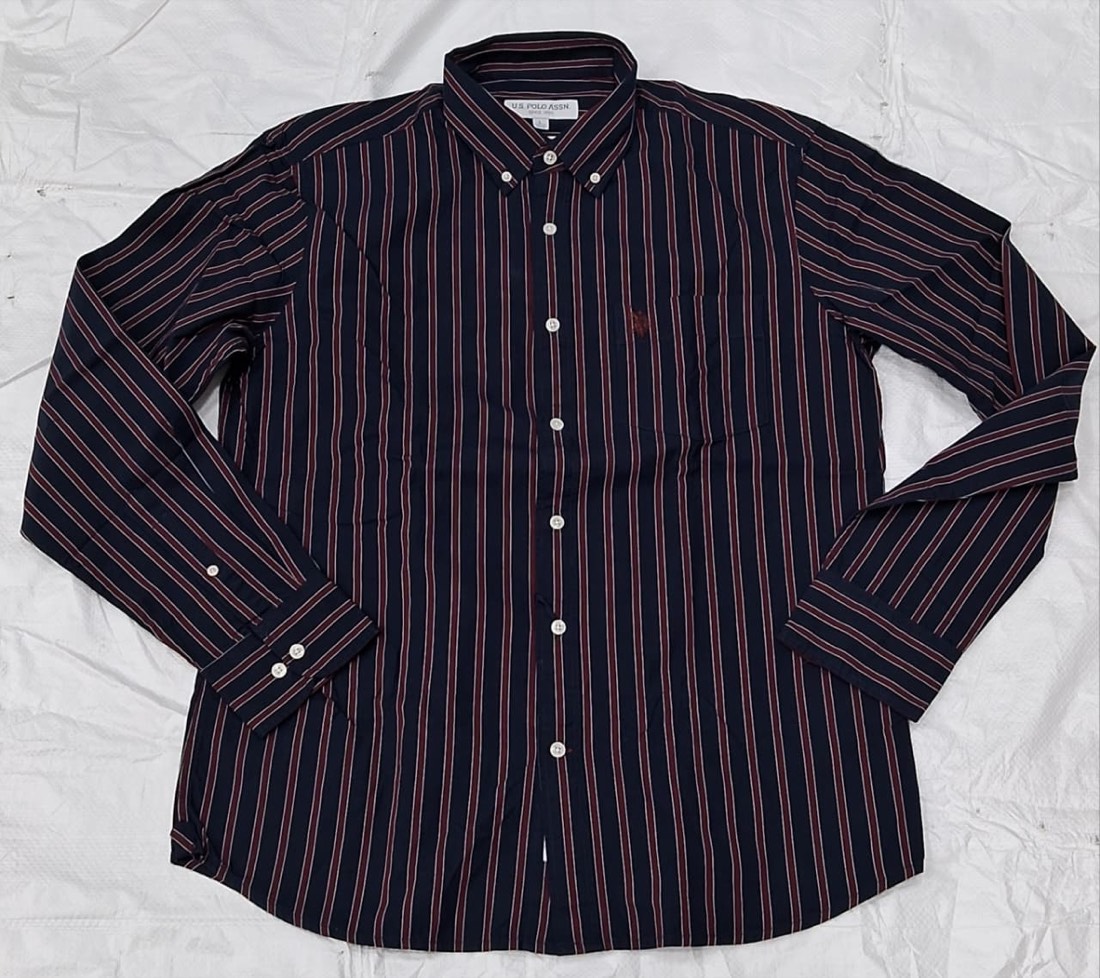
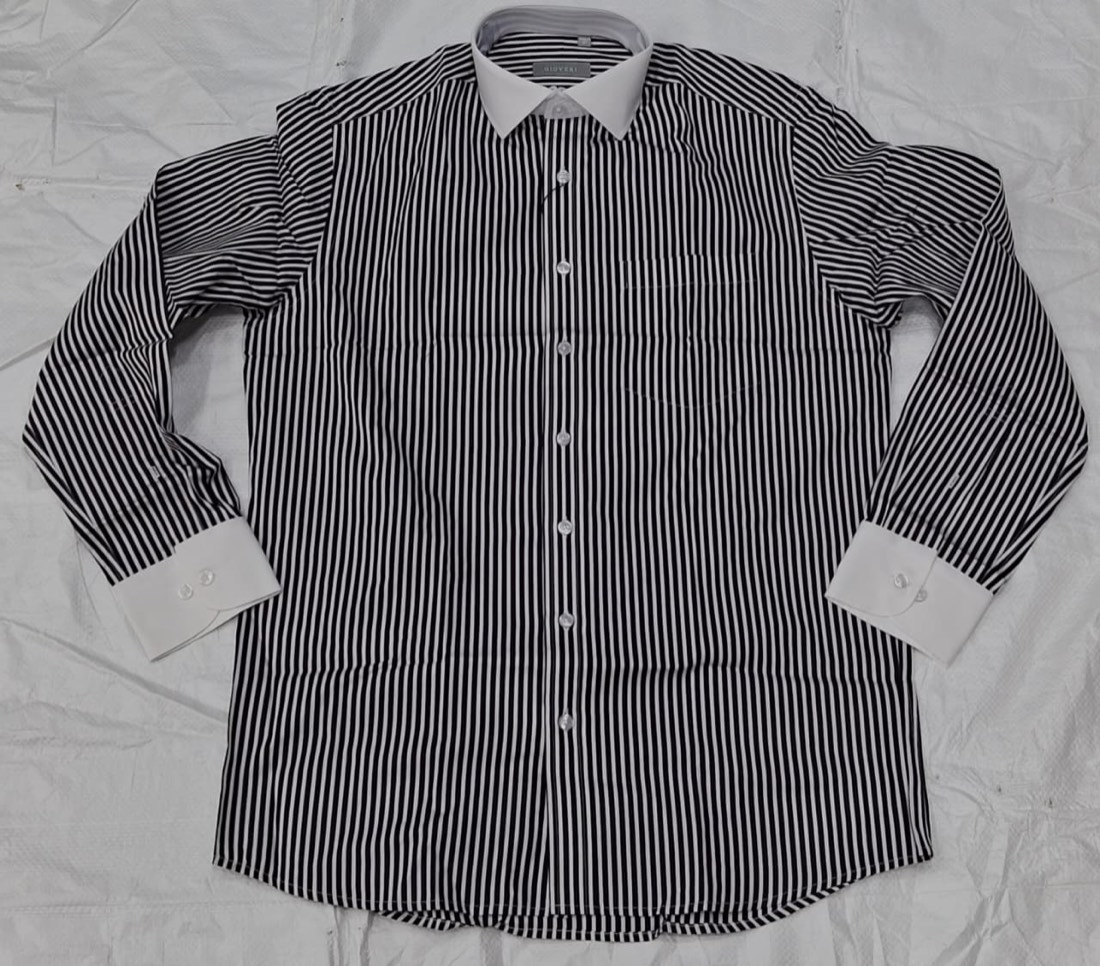
§ 05The Fit ManualProportion before pattern
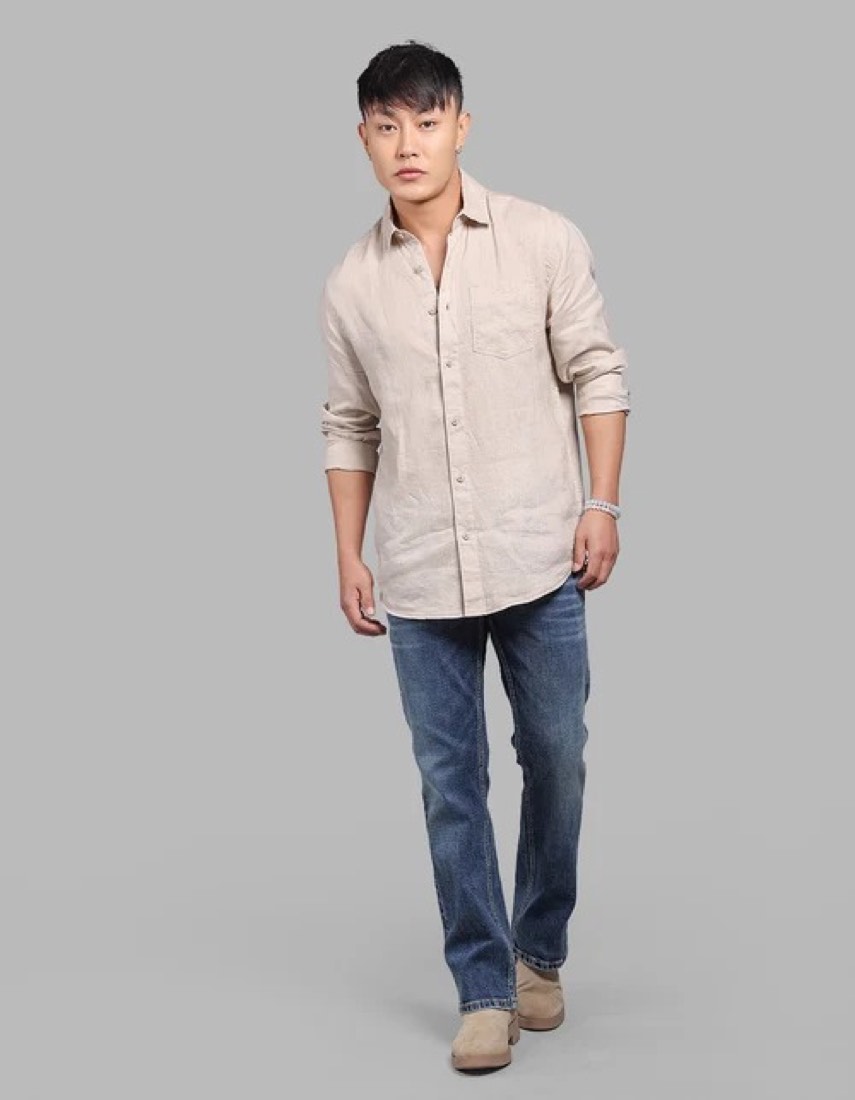
Fit is the first detail.
A modest shirt that fits well will always look better than an exceptional one that doesn't. Fit is about balance — enough room to move, little enough excess fabric to keep the line clean.
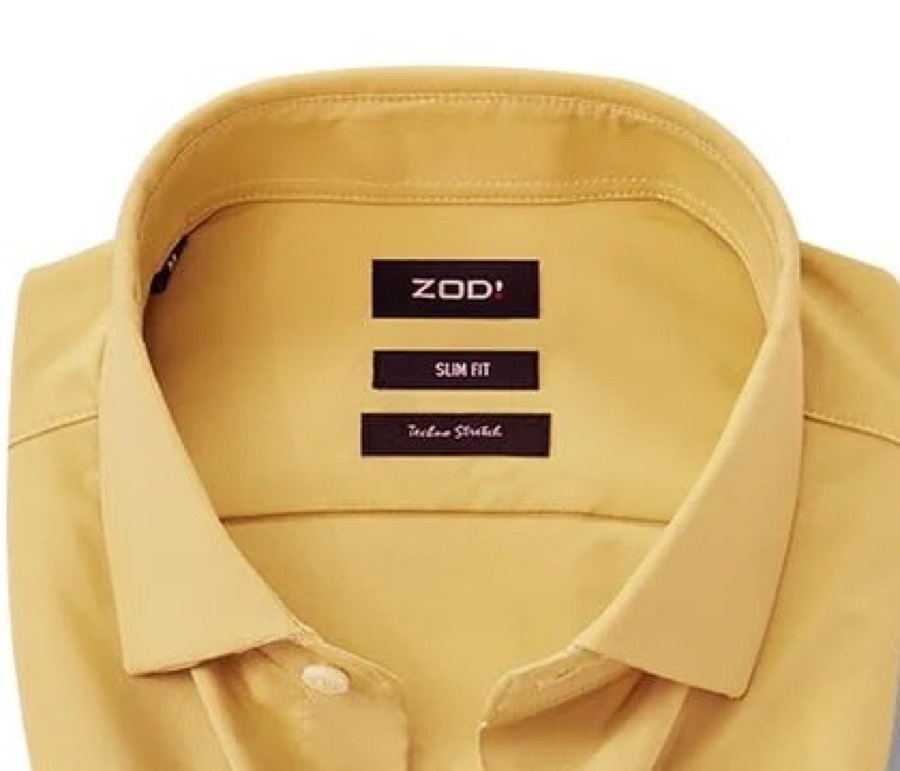
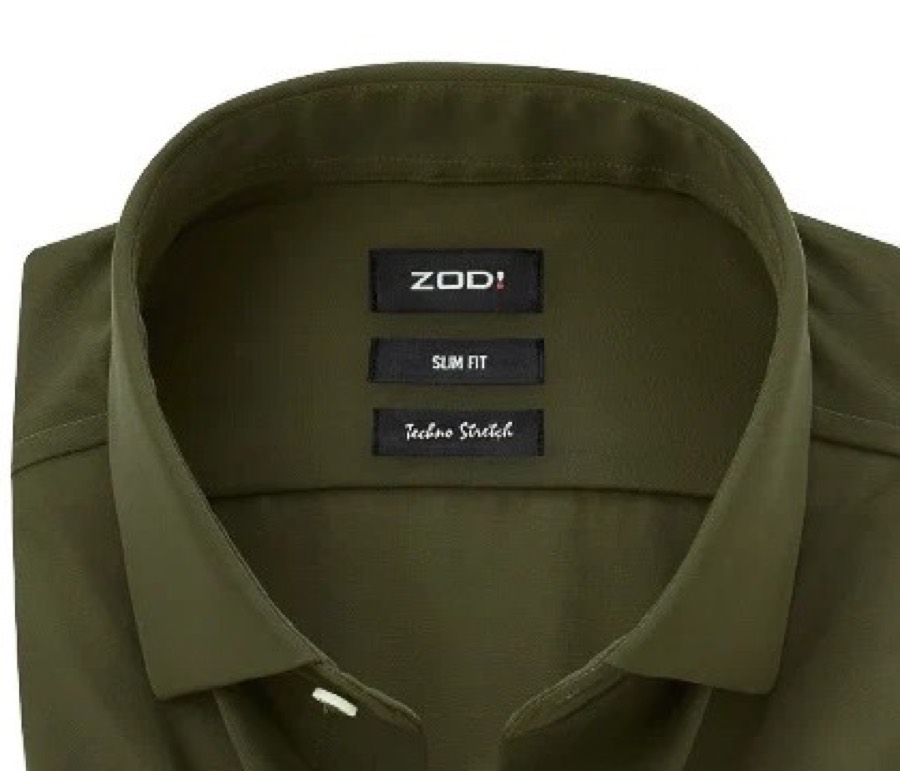
Slim
Closest to the body, tapered at the waist.
Tailored
Gently shaped — between slim and regular.
Regular
Straight through the body with comfortable ease.
Relaxed
Generous room; the most casual profile.
- ShoulderThe seam should sit at the edge of the shoulder bone.
- CollarButtoned, it should close without pinching the neck.
- ChestNo pulling or "X" creases across the buttons.
- SleeveEnds at the wrist with arms relaxed.
- CuffSits at the wrist bone and doesn't slide over the hand.
- WaistFollows the body without billowing above the belt.
- LengthLong enough to stay tucked when you raise your arms.
- MovementReach forward — the back should not strain.
§ 06Cuff & Detail ArchiveCatalogue entries ARC-01 — ARC-08
Small things, carefully filed.
ARC-01Cuffs & contrast
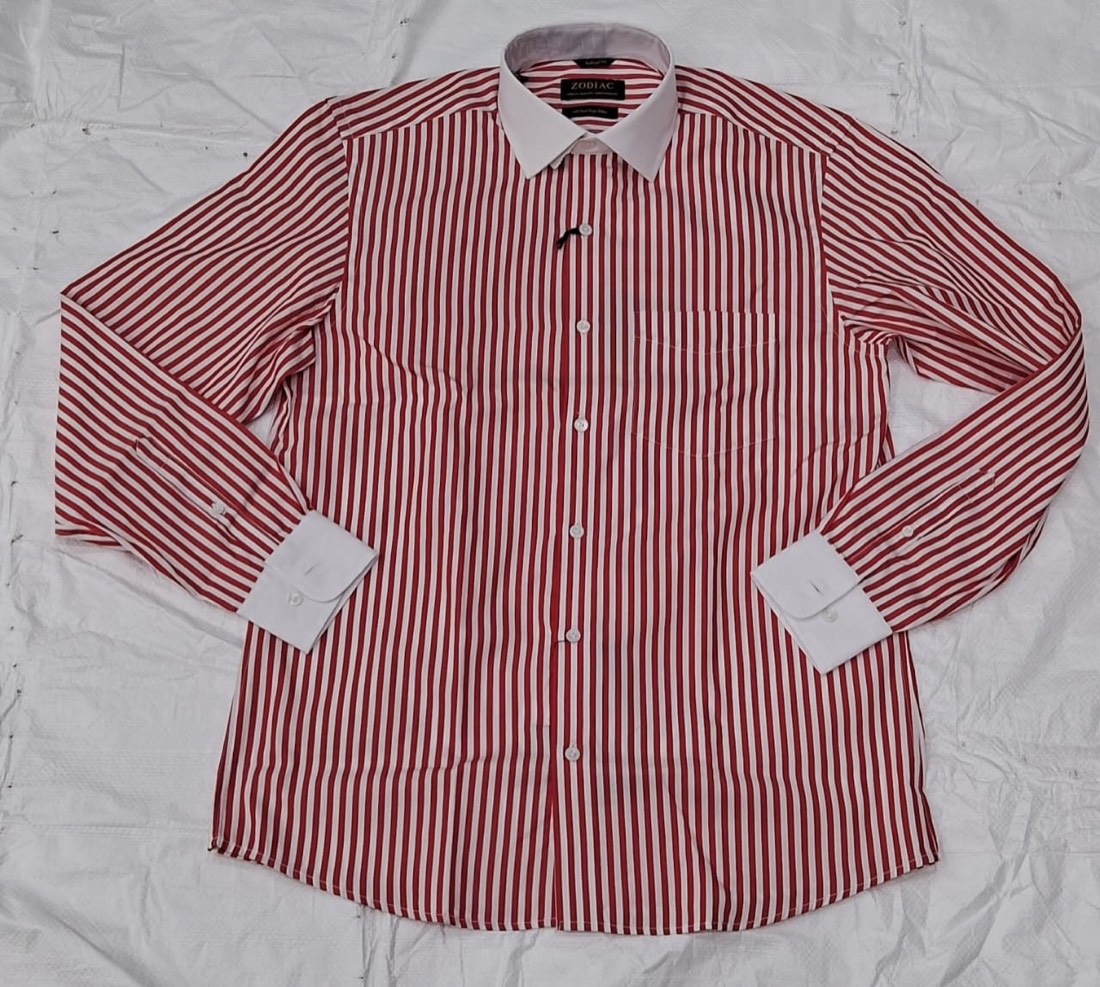
Contrast collar & cuffs
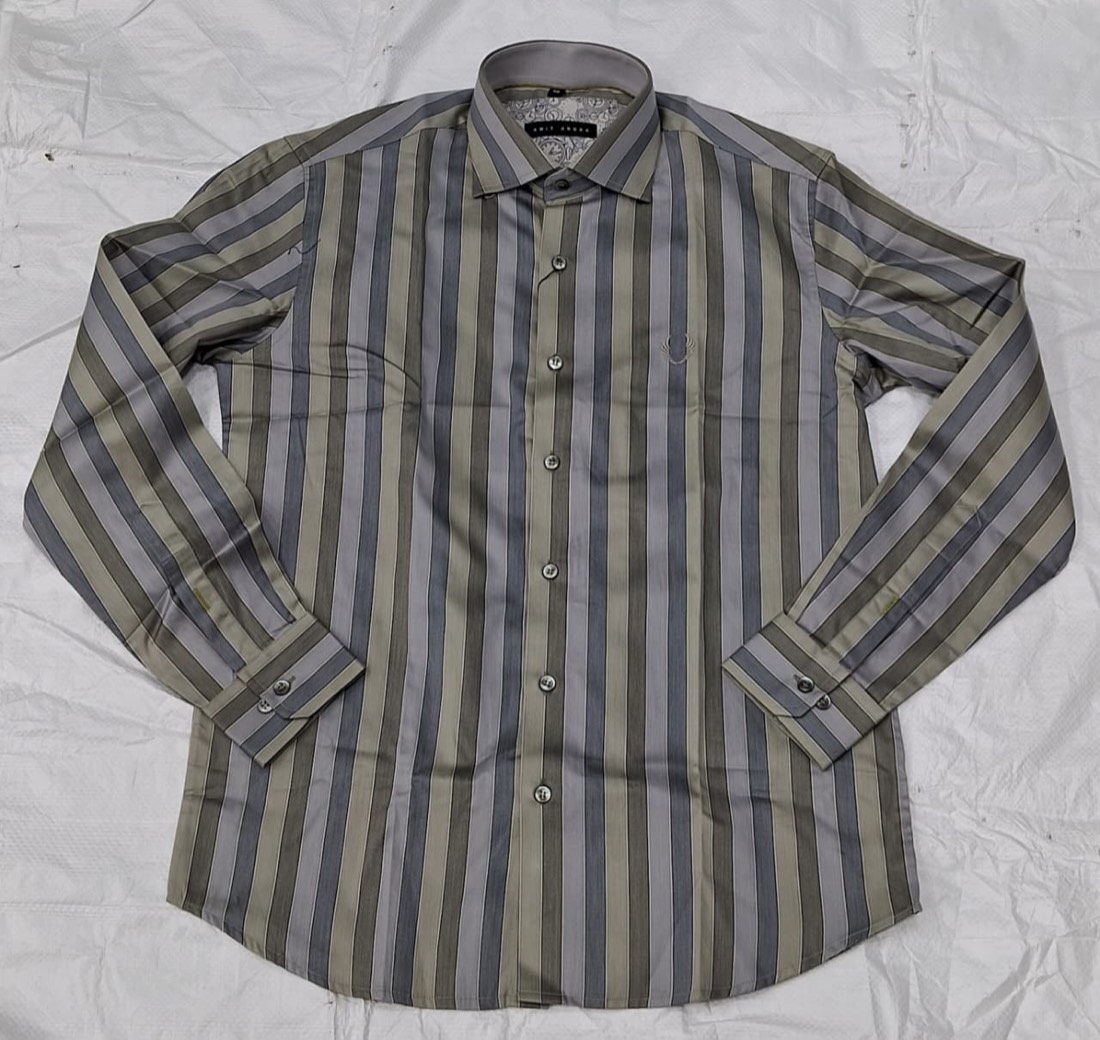
A white collar and white cuffs on a striped or coloured body. The contrast draws the eye to the face and hands — a dressy, deliberate detail that pairs naturally with double cuffs and cufflinks.
ARC-02Barrel cuff
Button (barrel) cuff
The everyday standard: a single band closed with one or two buttons.
ARC-03Double cuff
Double cuff
Folded back on itself and fastened with cufflinks — for formal occasions.
ARC-04Placket
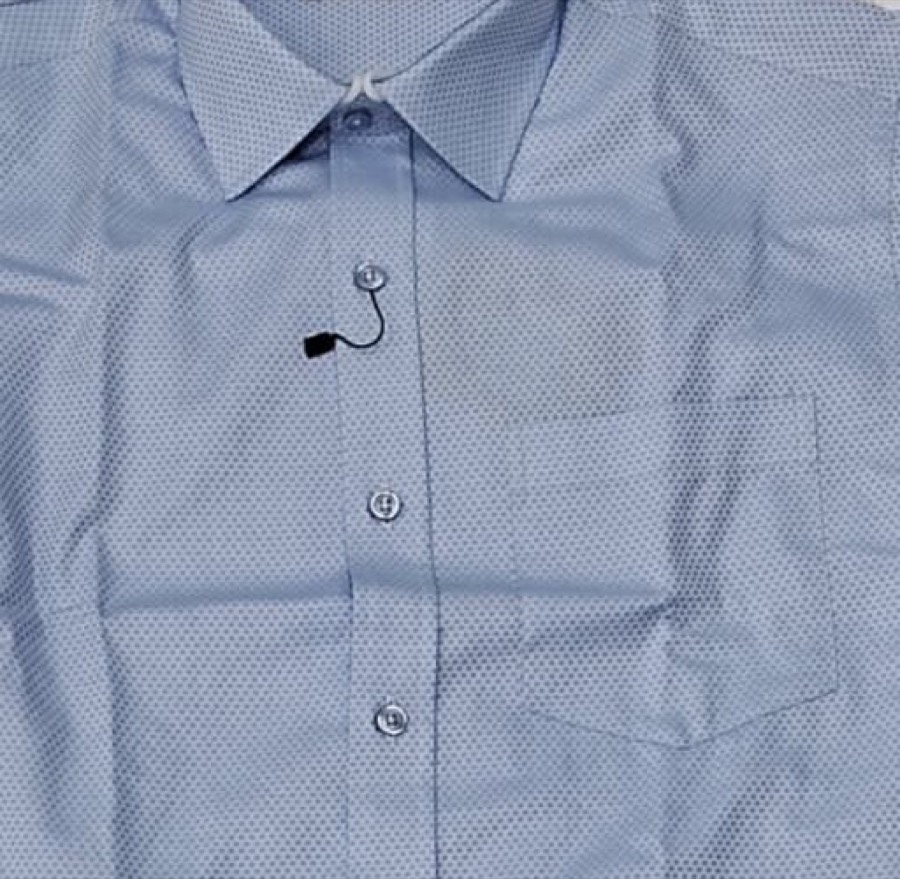
Front placket
Evenly spaced buttons along a clean strip.
ARC-05Proportion
Cuff proportions
Cuff depth should feel in scale with the collar: deeper cuffs balance wider spreads, slimmer cuffs suit narrow collars and lighter shirts. With a jacket, a small sliver of cuff showing below the sleeve finishes the line.
ARC-06Pattern matching
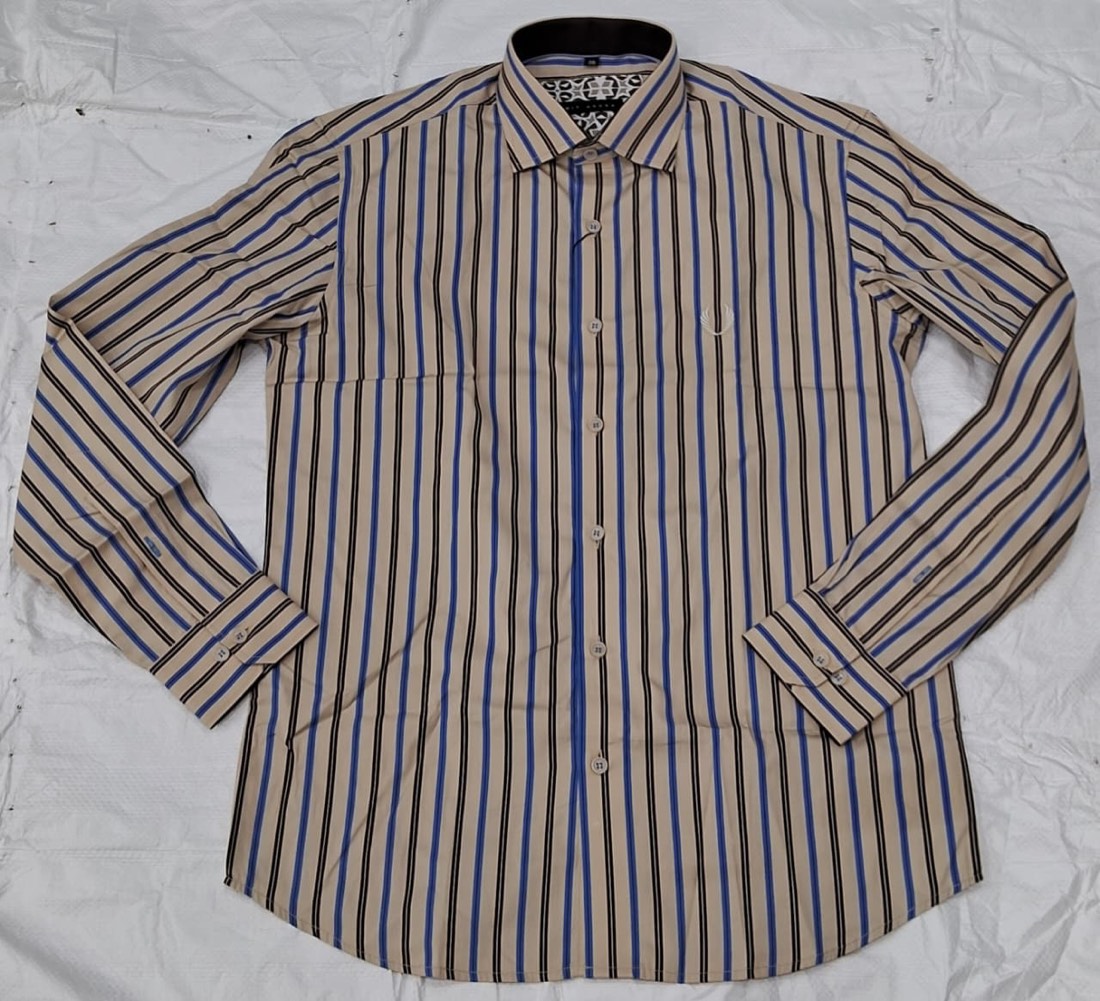
Stripes into the cuff
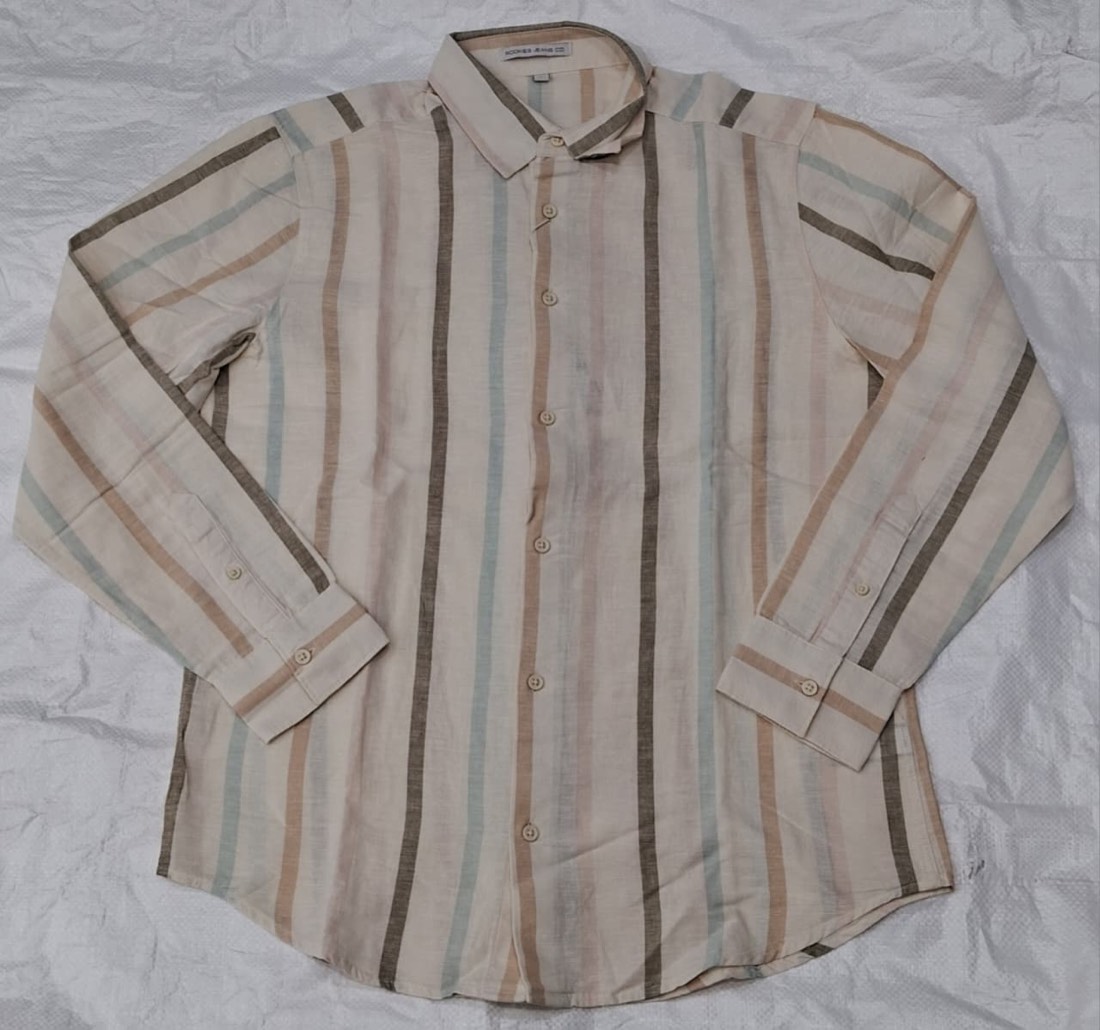
On striped shirts, watch how the pattern meets seams and cuffs — careful alignment reads as care.
ARC-07Buttons & stitching
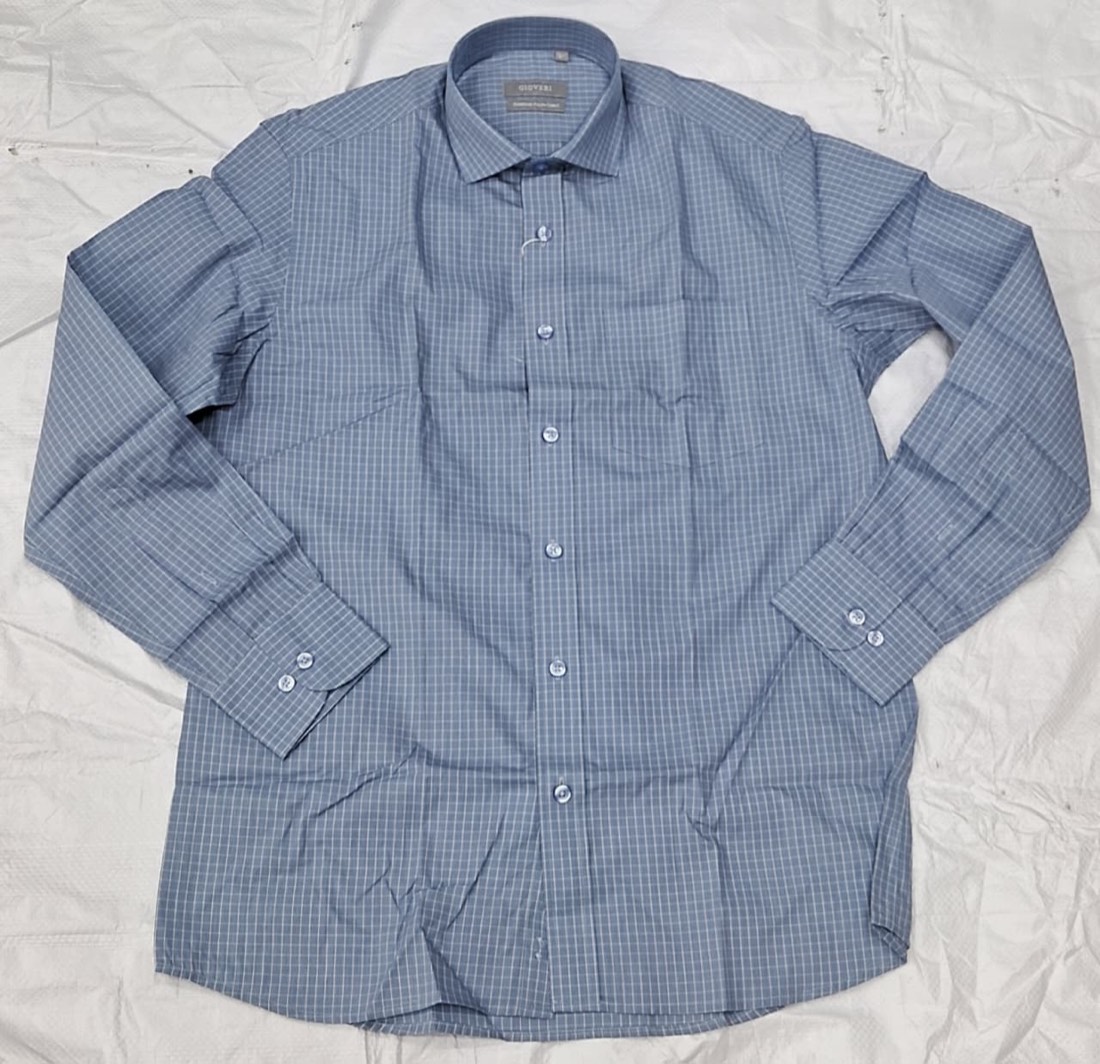
Buttons, pocket, seams
Fine, even stitching and securely sewn buttons are the quiet signals of a well-made shirt.
ARC-08Index
Continue the archive
Placket styles, pocket placement, sleeve plackets, yokes, pleats and hems — catalogued in full.
§ 07Fabric Notes
Surface is style.
Two shirts of the same colour can say different things. A smooth, crisp surface looks sharp and formal; a textured or softer surface feels warmer and more relaxed. Learning to read the surface is learning to dress for the room.
Open Fabric Notes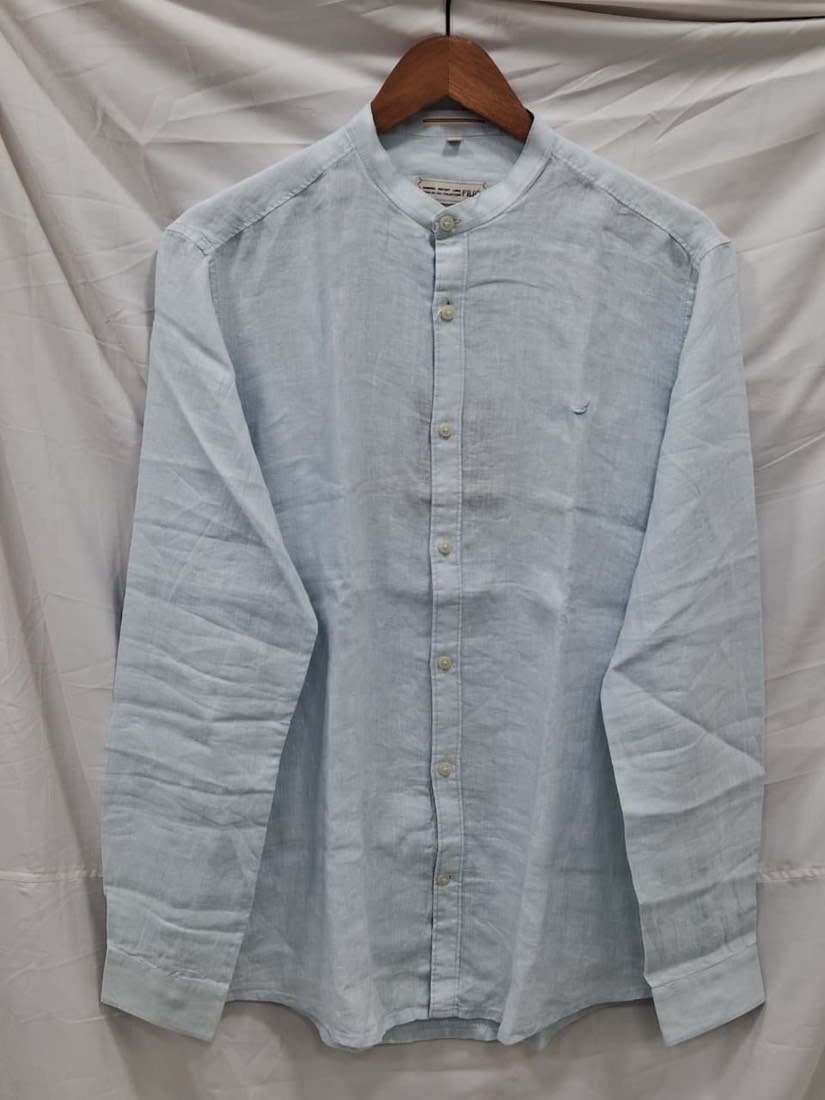
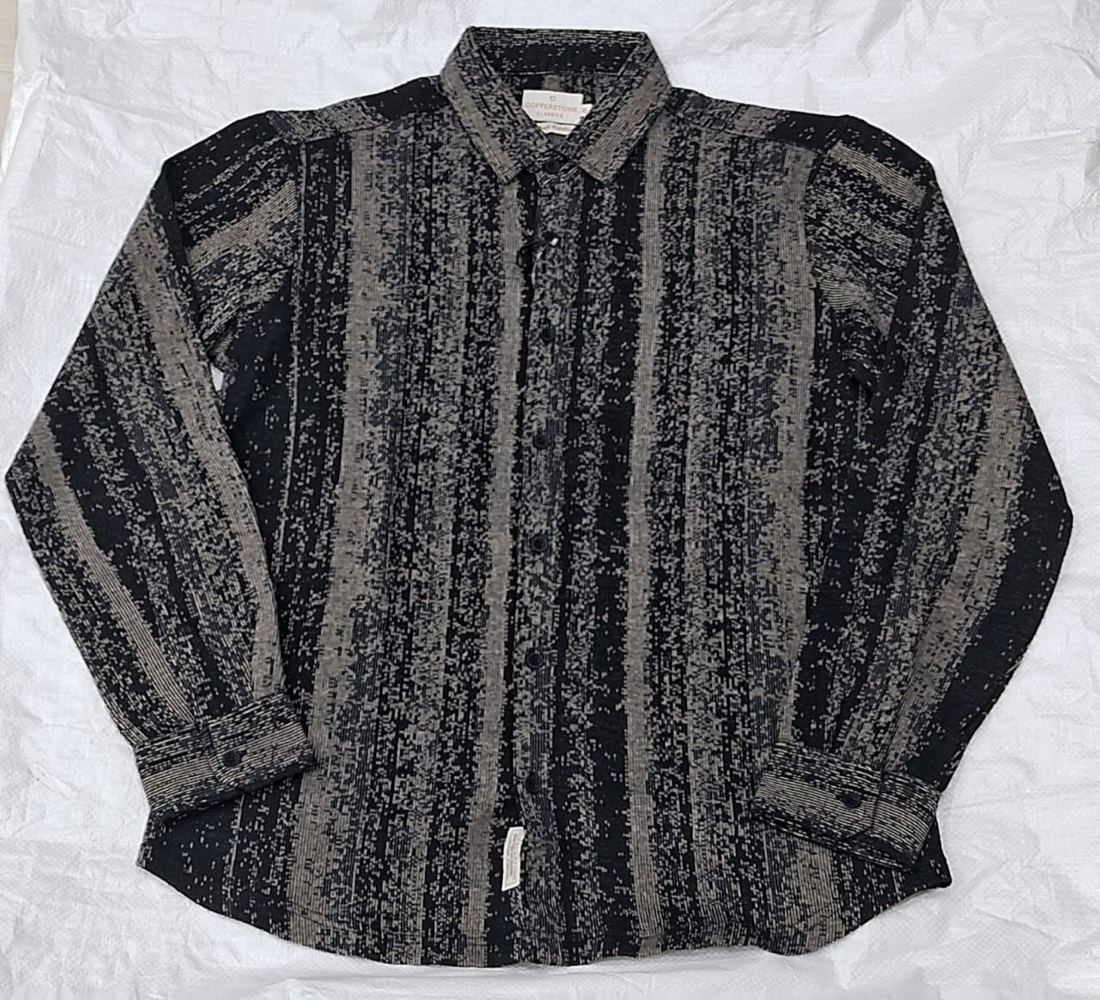
Swatch 01
Smooth vs. textured
Smooth surfaces reflect light evenly and look clean under tailoring. Visible texture — slub, nubby weaves, a matte hand — adds depth and softens formality.
- Reads as
- Textured: relaxed, tactile
- Best for
- Smart casual, warm days
Swatch 02
Crisp vs. soft
A crisp shirt holds its shape and keeps collar and placket sharp. A soft-looking shirt drapes and moves — more comfortable in feel, more casual in effect.
- Reads as
- Crisp: precise, formal
- Best for
- Suits, presentations
Swatch 03
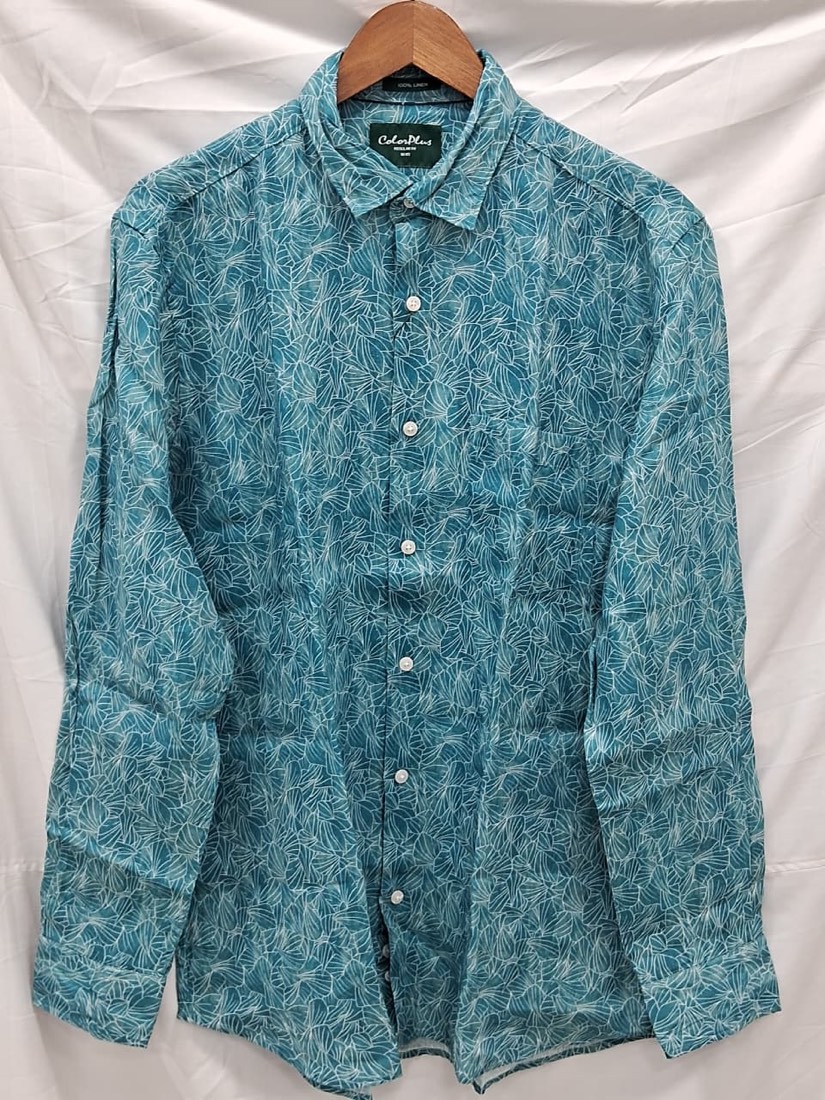
Printed surfaces
Prints introduce rhythm and personality. Tonal, small-scale motifs stay close to formal; large, high-contrast prints belong to evenings and weekends.
- Reads as
- Expressive, individual
- Best for
- Smart casual, events
§ 08The Colour RegisterTen families
A register of shirt colours.
R-01
White
The most formal colour of all. Works with every suit; essential for ceremonies and black-tie.
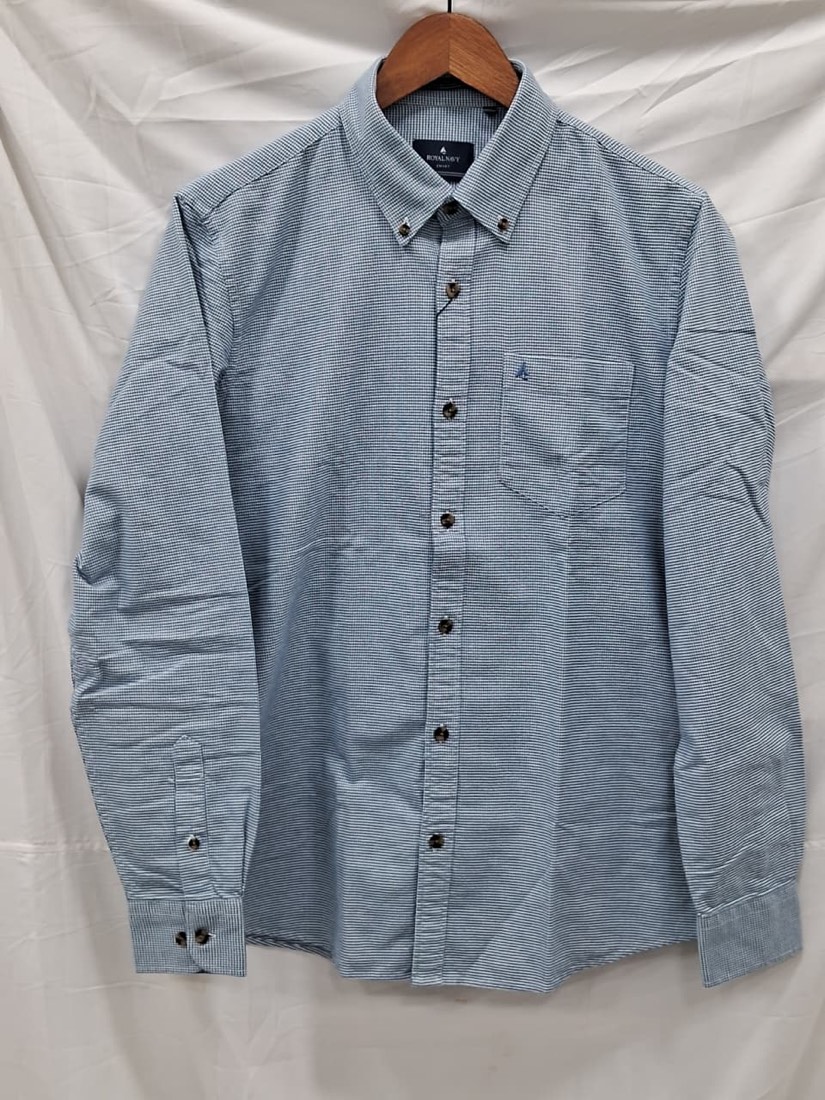
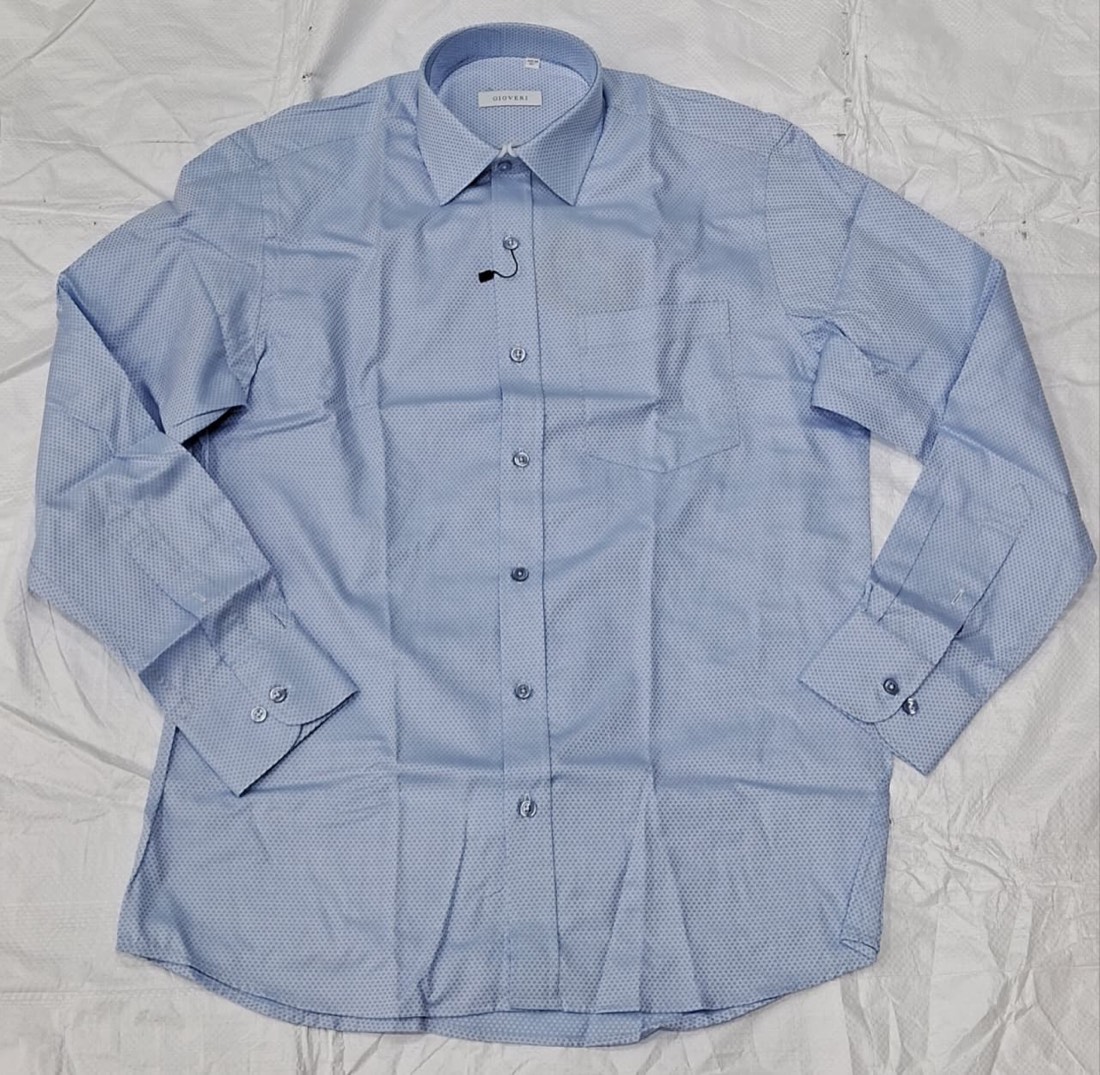
Light Blue
The office workhorse — flatters most complexions and pairs with navy, grey and charcoal.
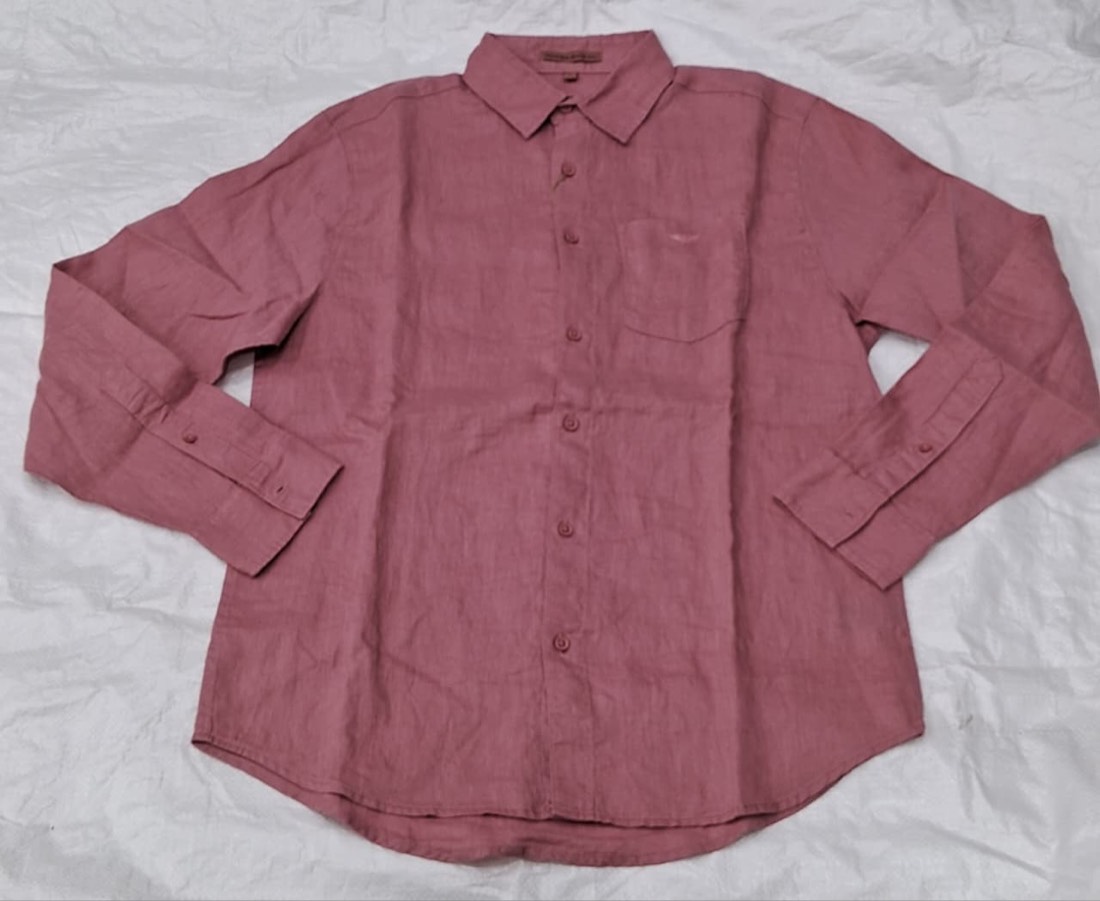
Pale Pink
Warm and confident; excellent with navy and grey suits.
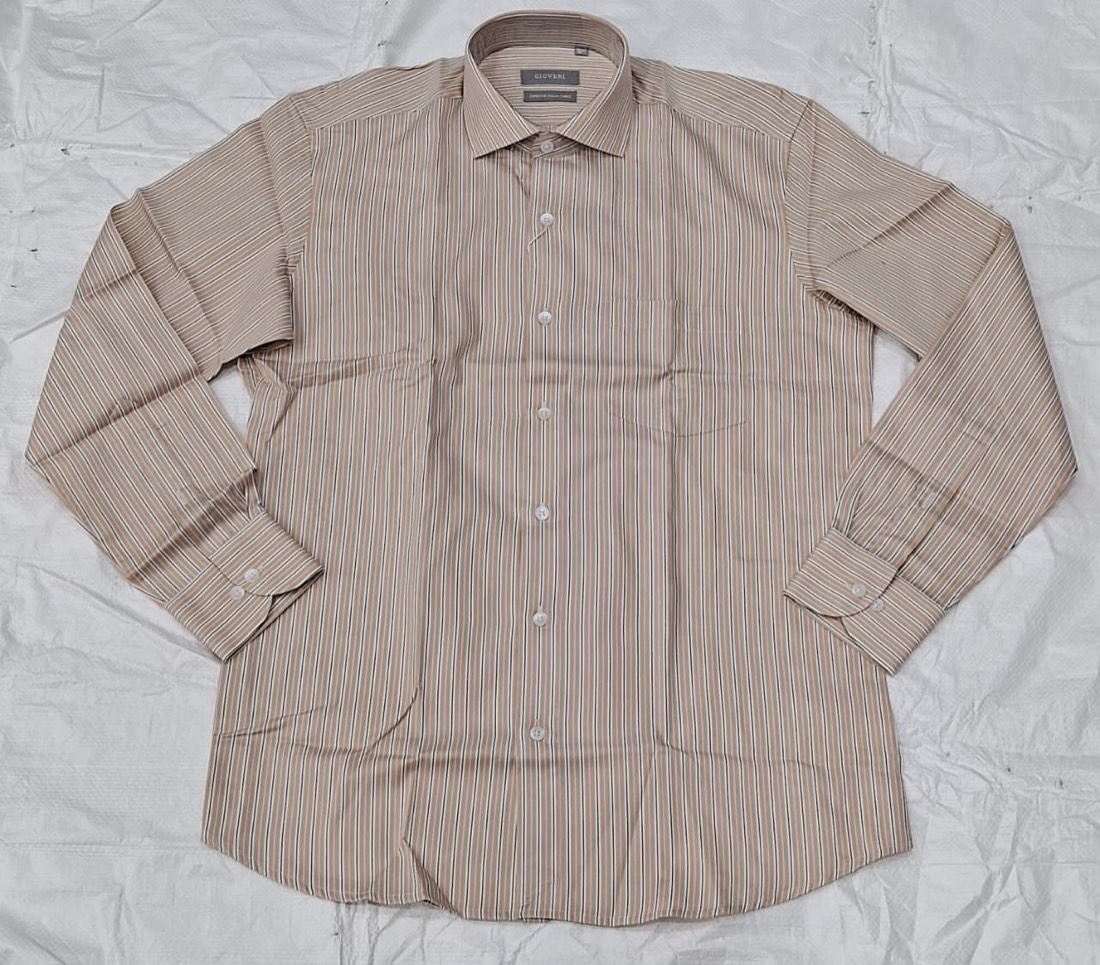
Cream
Softer than white; lovely with brown, olive and beige tailoring.
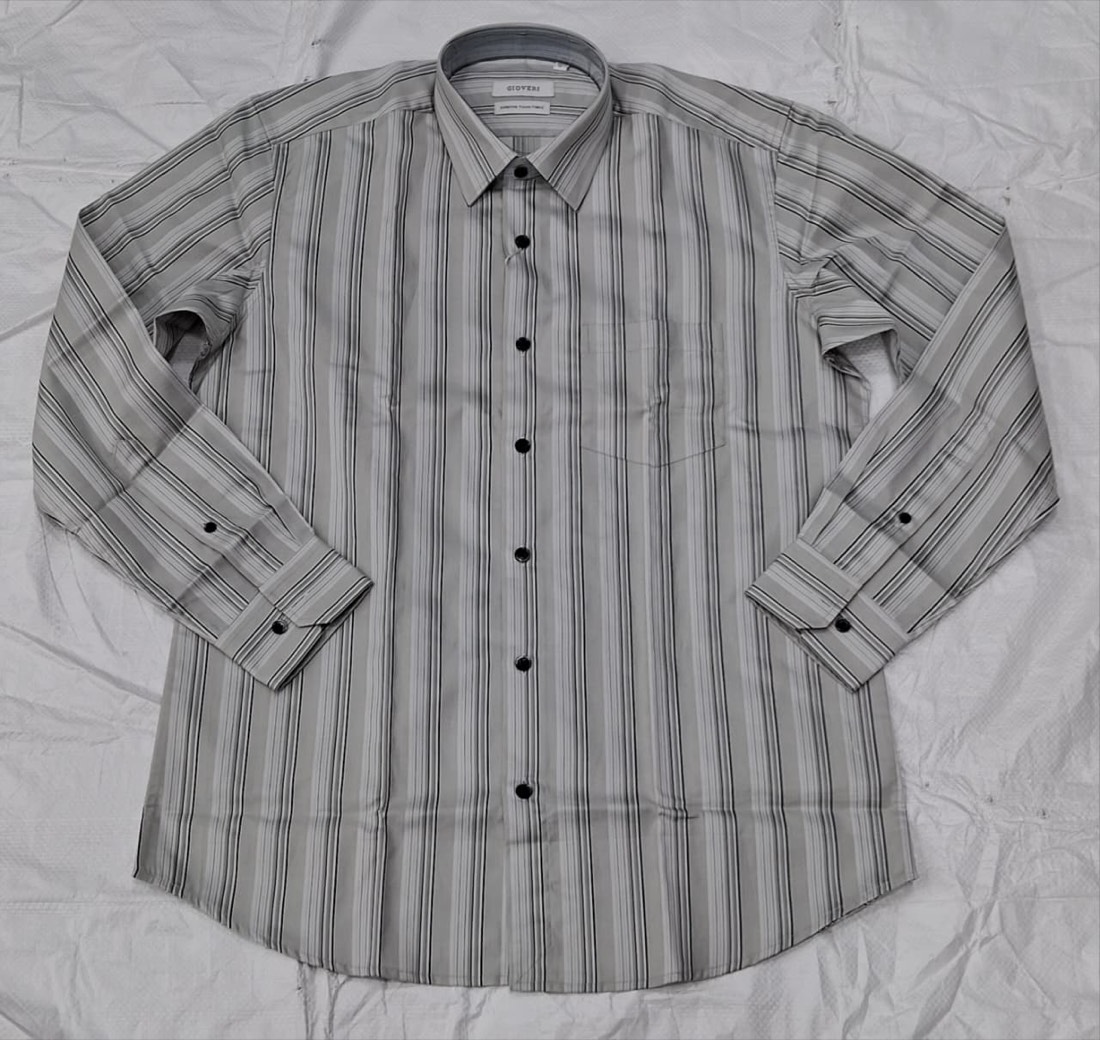
Grey
Understated and modern; pair with navy or black for contrast.
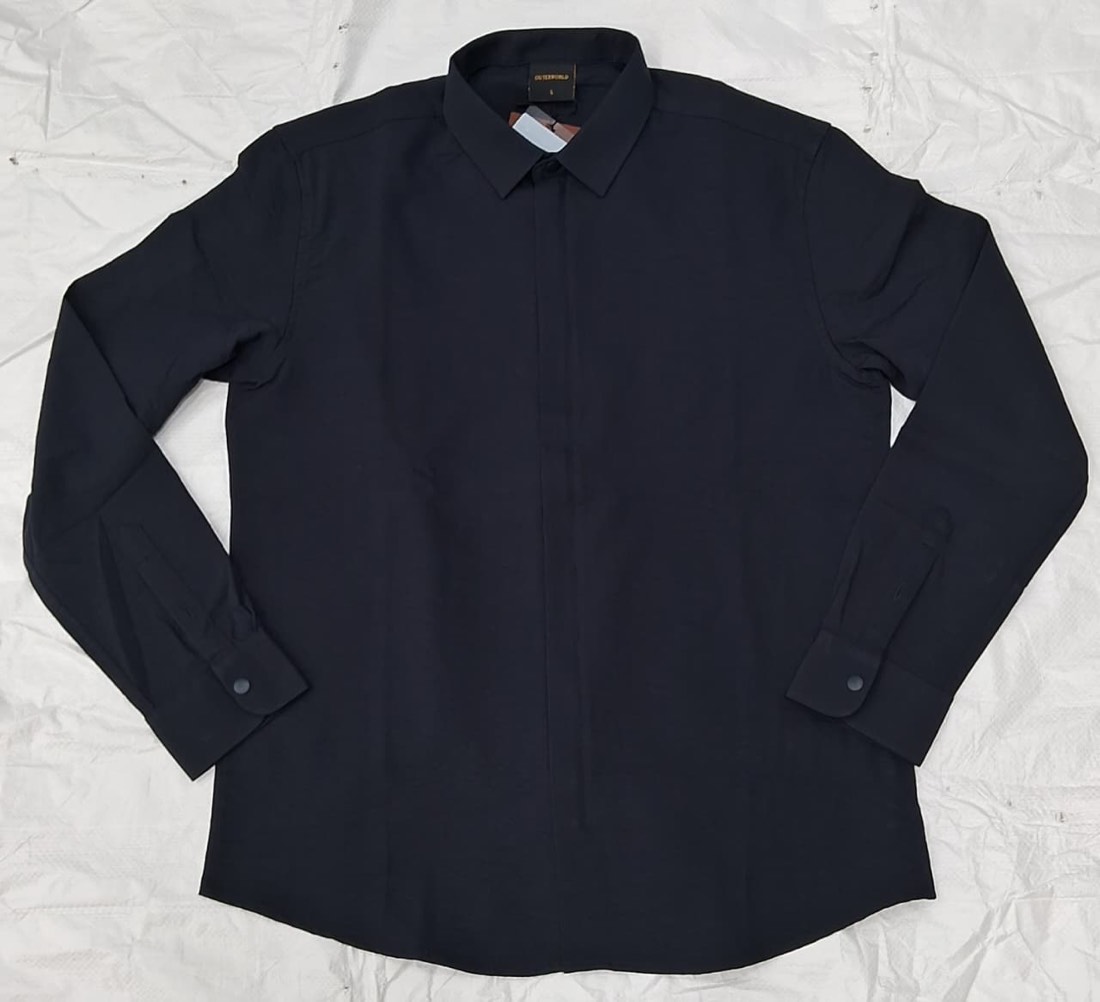
Navy
A dark shirt for evenings and smart-casual looks; strong under grey or beige.
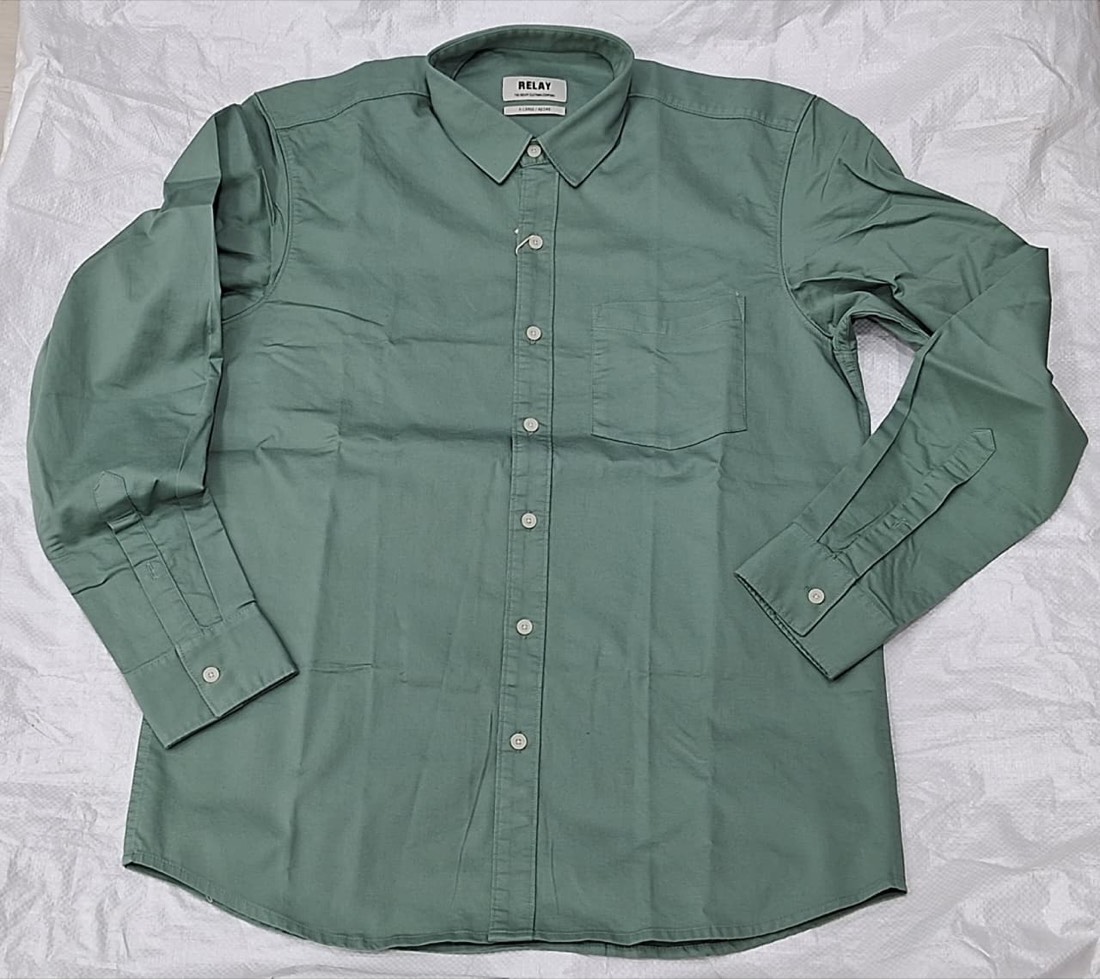
Pastels
Sage, lilac, butter — light tones that bring freshness to an office palette.
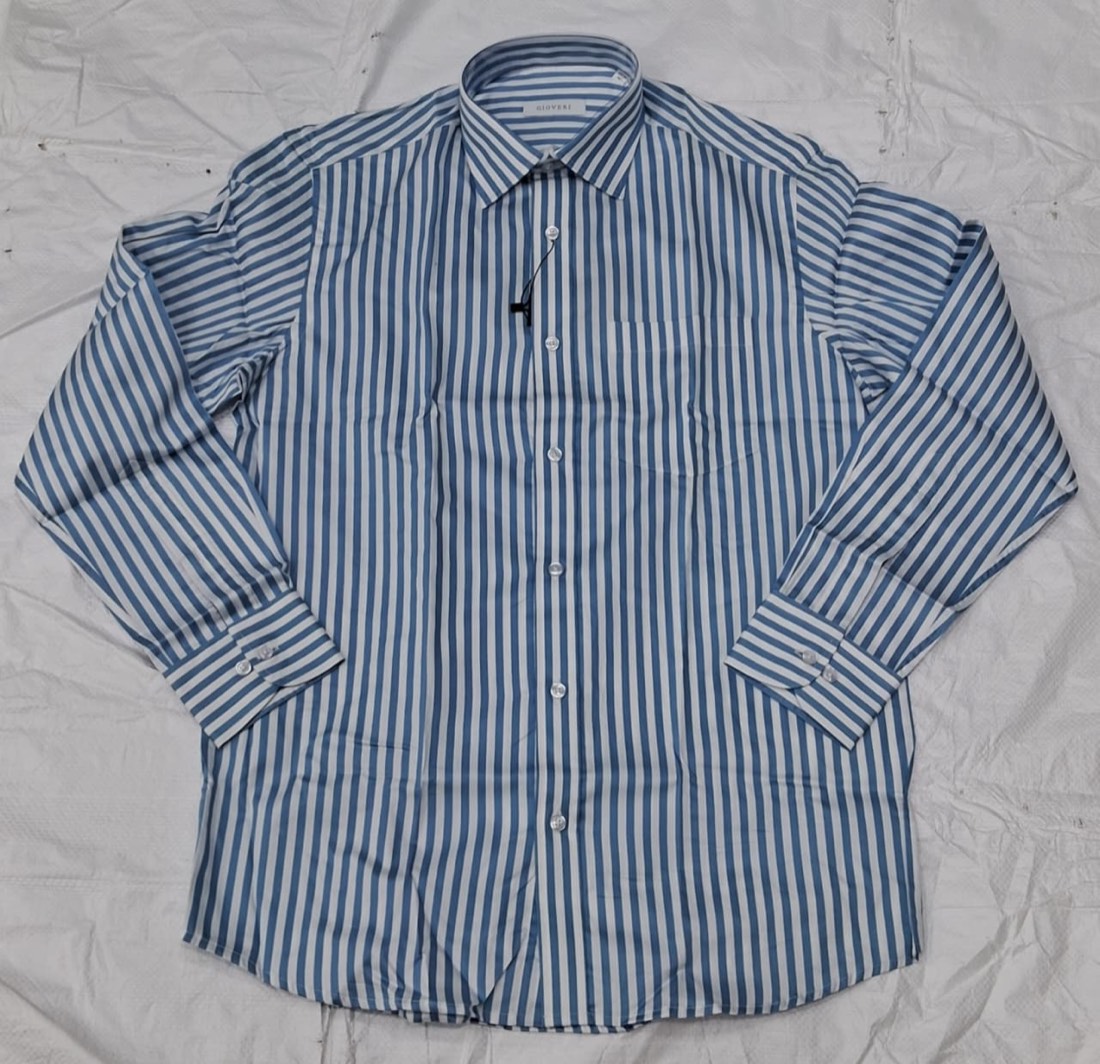
Stripes
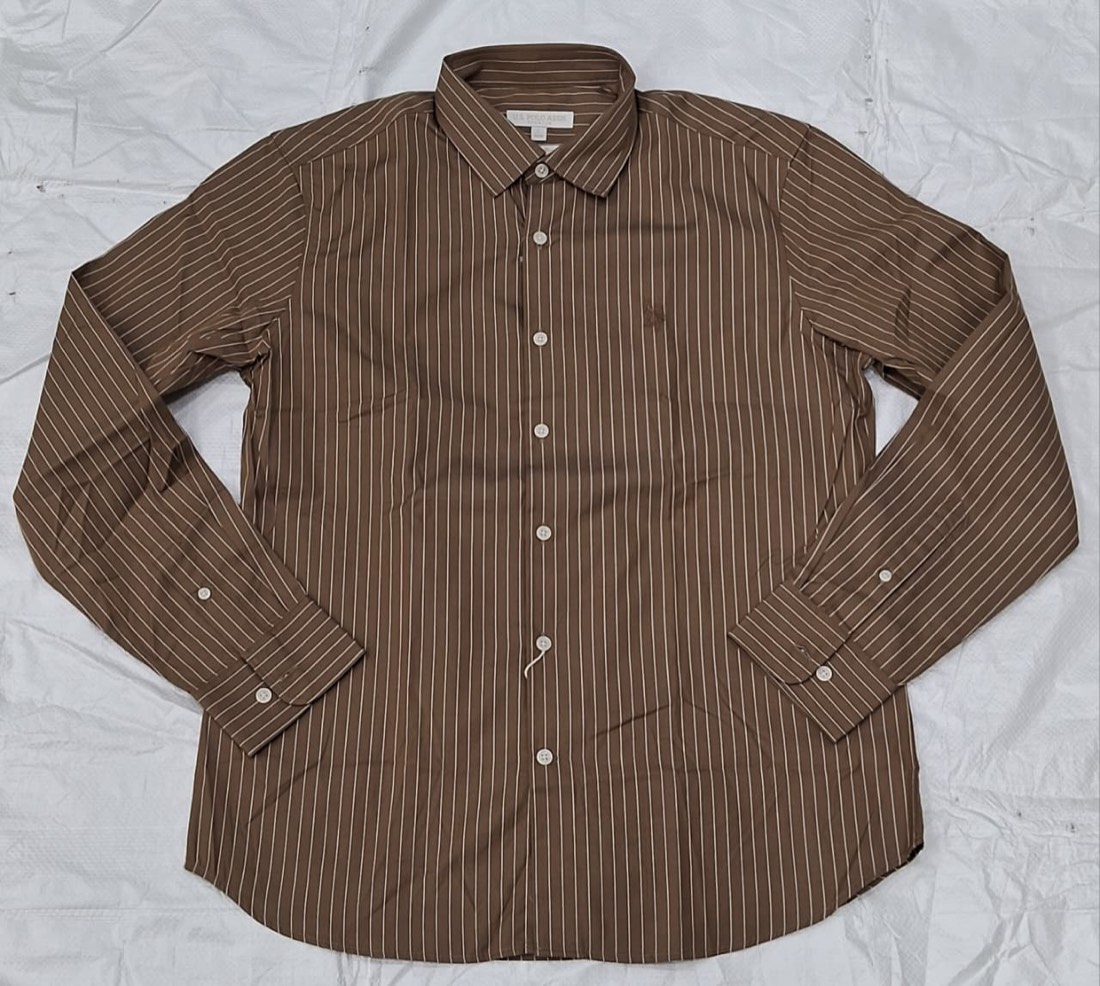
Fine stripes stay formal; bolder, wider stripes add energy.
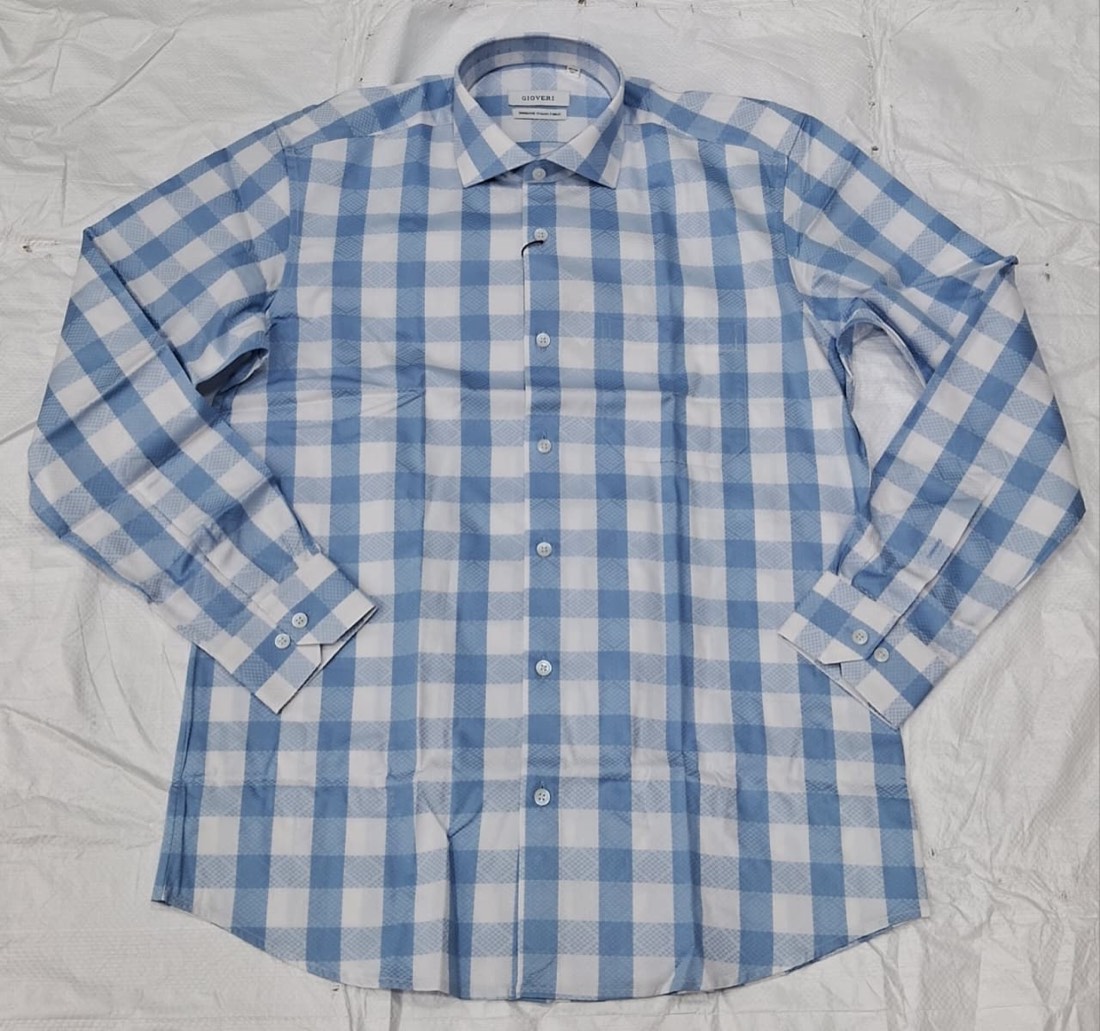
Checks
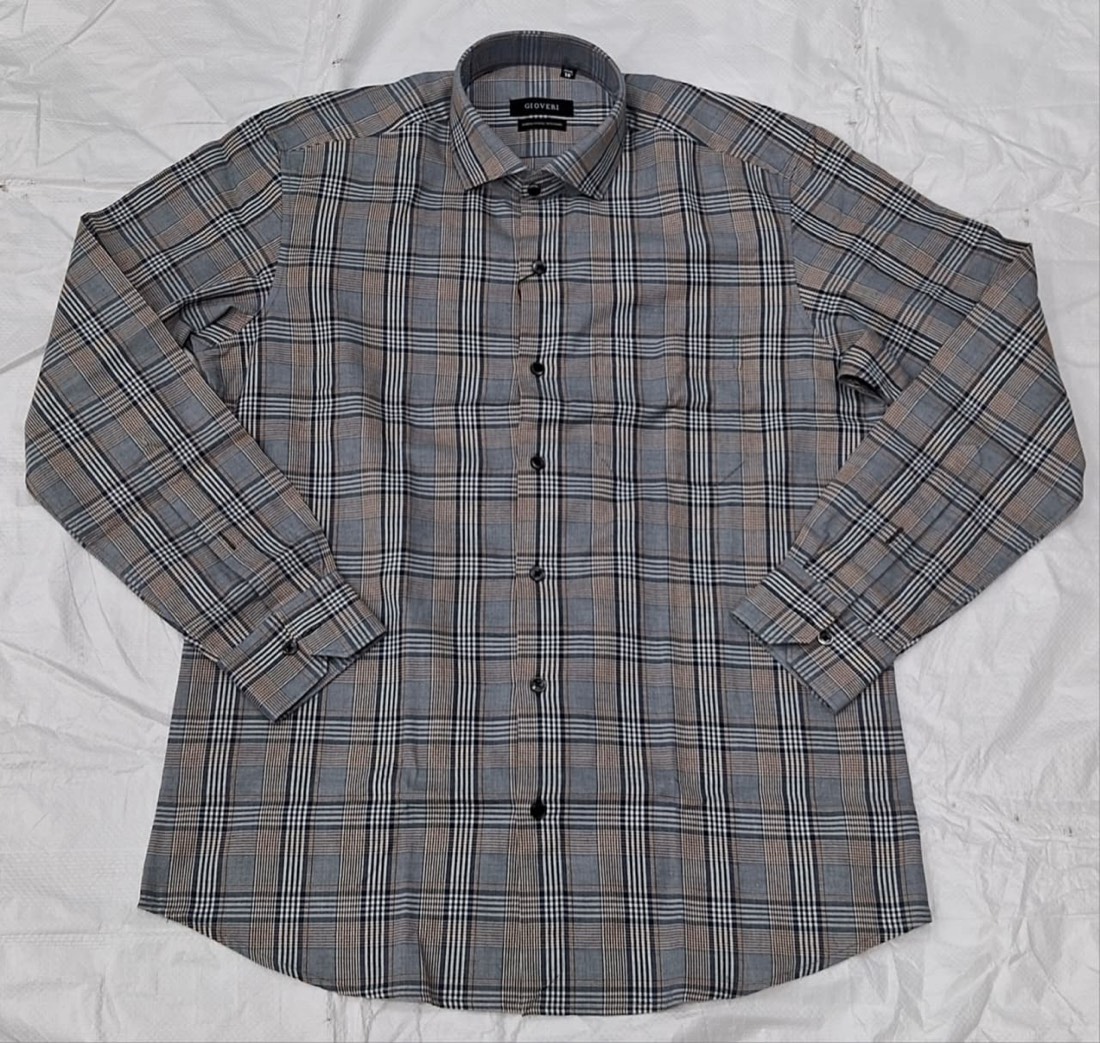
Gingham and graph checks — keep them small for business wear.
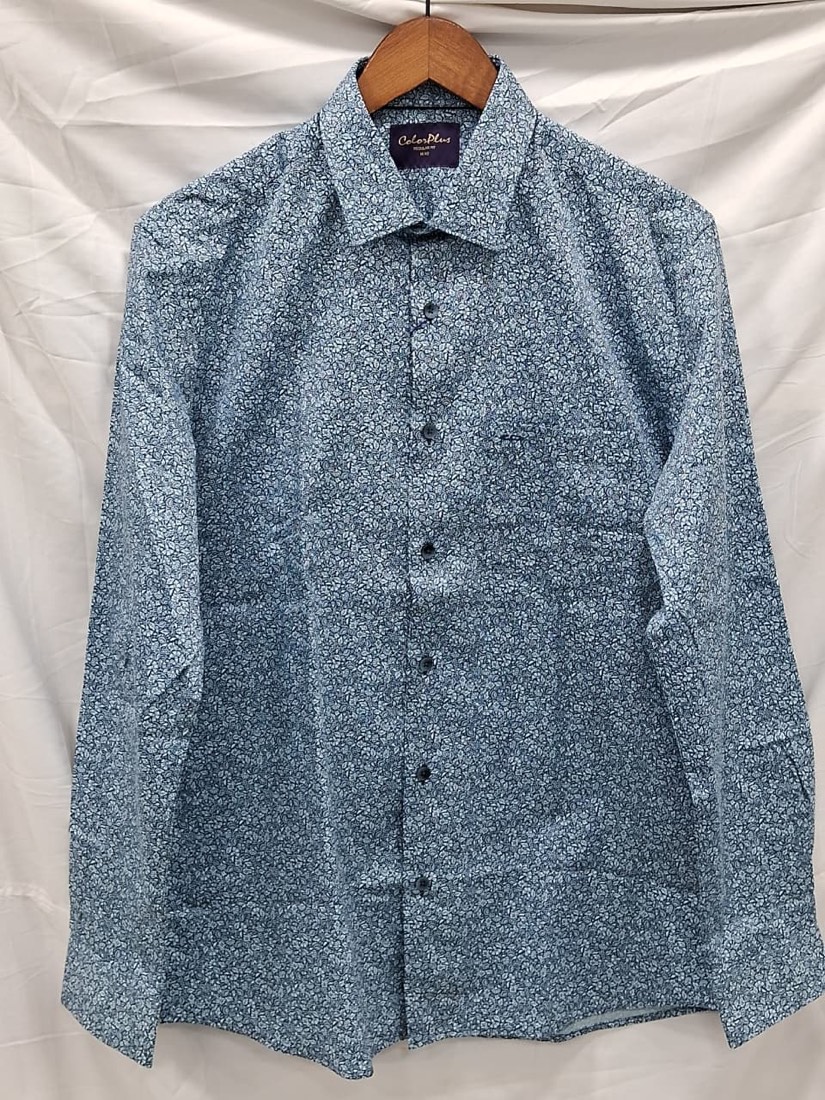
Subtle Prints
Micro-motifs read as texture from a distance — a gentle step beyond solids.
Coordination notes
A starting point for pairing shirt colours with suits, trousers, jackets and accessories. Contrast between shirt and jacket usually looks sharper; tone-on-tone looks softer and more fashion-led.
| Shirt | Suits & jackets | Trousers | Accessories |
|---|---|---|---|
| White | Navy, charcoal, black, grey | Any tailored colour | Any tie; silver or gold cufflinks |
| Light blue | Navy, grey, charcoal, beige | Grey, navy, khaki | Navy, burgundy or brown ties |
| Pale pink | Navy, mid-grey | Charcoal, navy, stone | Navy or grey ties; brown shoes |
| Cream | Brown, olive, tan | Brown, olive, beige | Earth-tone ties; brown leather |
| Navy | Grey, beige, light tan | Grey, stone, white | Open collar; or a light tie |
§ 09The Professional WardrobeSeven situations
Dress for the room you're walking into.
W/01
Traditional business
CollarClassic or semi-spread, with tie
ColourWhite, light blue, fine stripes
FitTailored or regular under a suit
W/02
Contemporary office
CollarSemi-spread or button-down
ColourPastels, small checks, subtle prints
FitSlim or tailored with trousers
W/03
Client meetings
CollarStructured collar that holds under a jacket
ColourLight blue or white — calm, trustworthy
FitClean through the chest; no pulling
W/04
Presentations
CollarSpread collar frames the face on stage
ColourSolids; avoid tight patterns on camera
FitRoom to gesture; sleeves that stay put
W/05
Business travel
CollarButton-down stays neat without a tie
ColourMid-tones and patterns forgive creasing
FitComfortable for long hours seated
W/06
Smart casual office
CollarOpen collar, top button undone
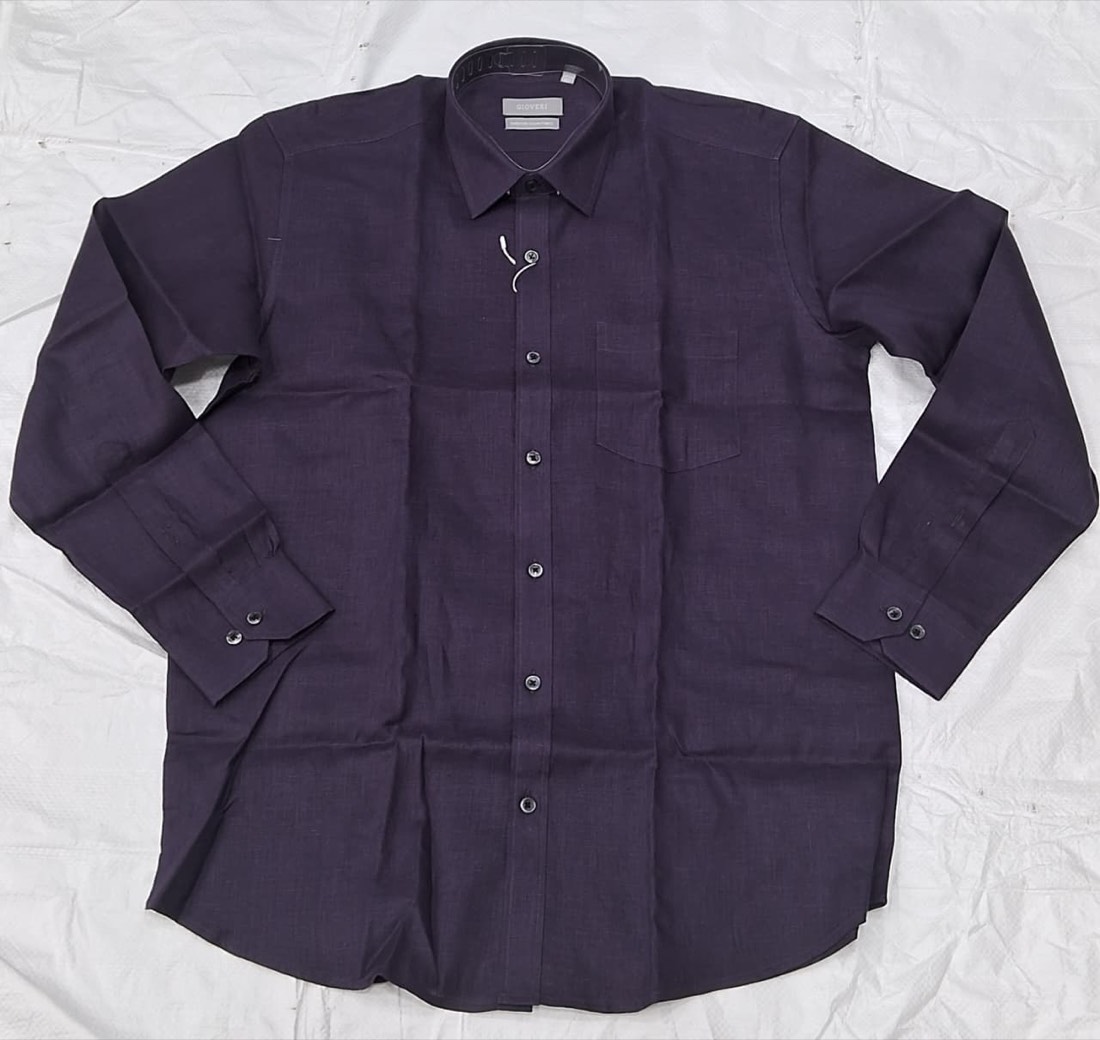
ColourChecks, textures, deeper tones
FitSlim or regular, tucked or neatly untucked if cut short
W/07
Formal occasions
CollarSpread or cutaway with a tie
ColourWhite or very pale solids
FitSharp; double cuffs where appropriate
§ 10The Style FormulaSeven equations
Dressing, solved like an equation.
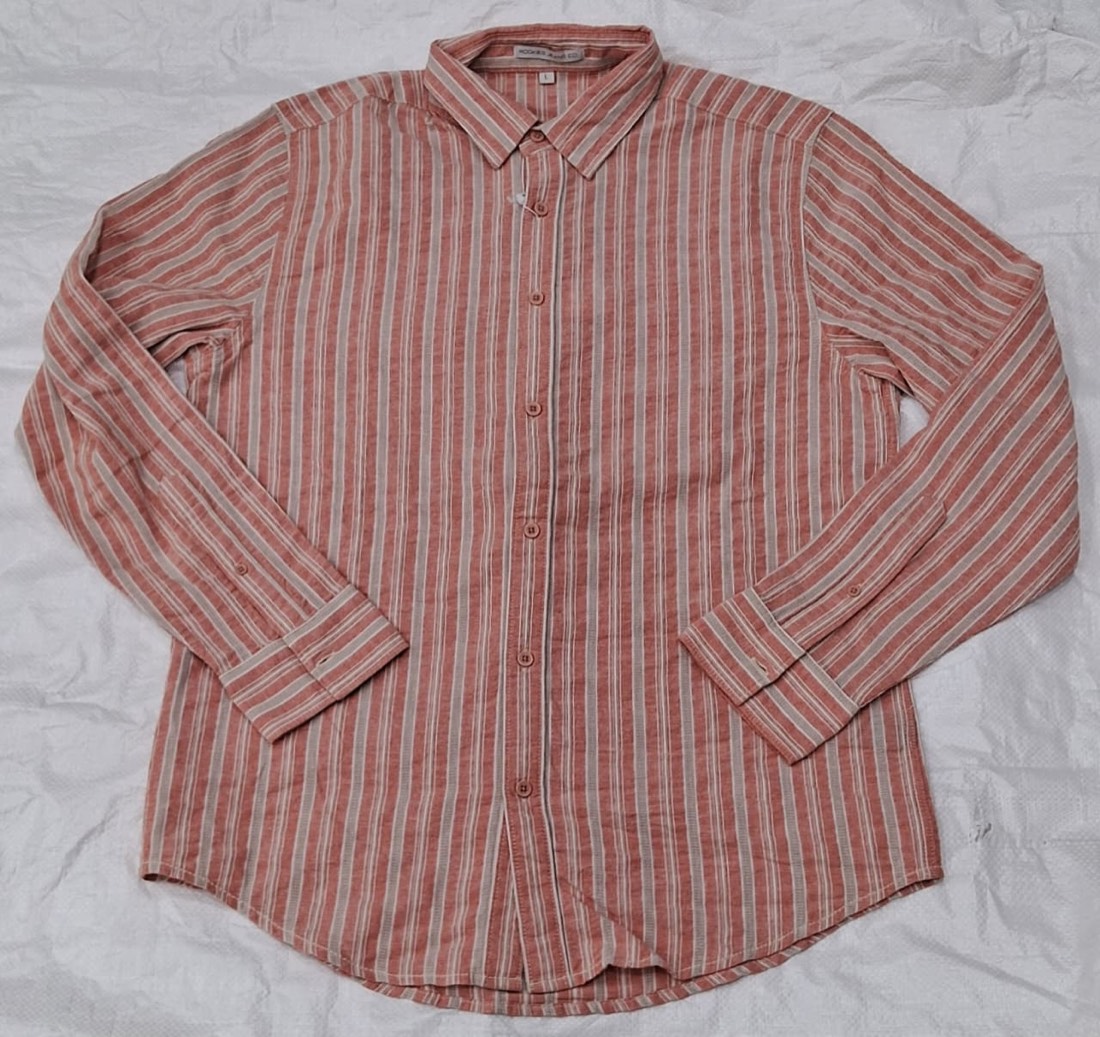
Shirt + Tailored trousers = effortless office
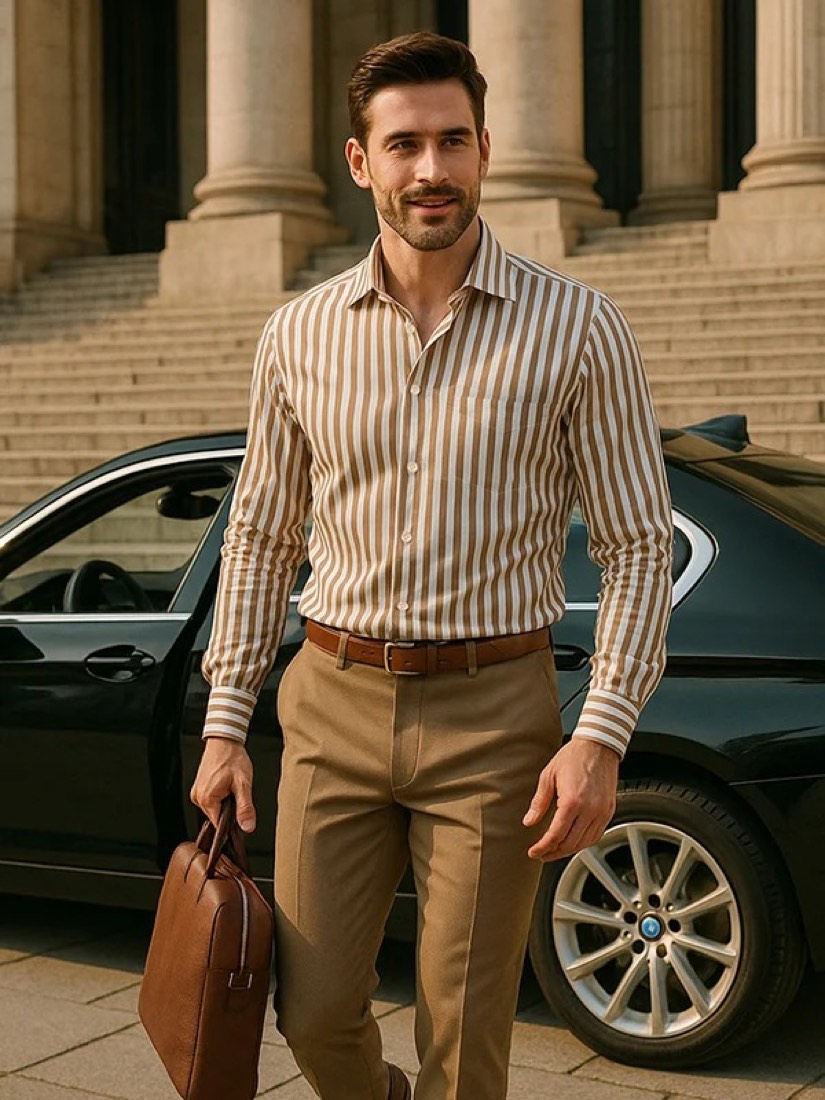
A tucked formal shirt with pressed trousers and a leather belt is the backbone of modern office dressing. Match your belt to your shoes.
Shirt + Business suit = authority
Choose a shirt lighter than the suit. A structured collar that sits under the lapels completes the frame.
Shirt + Blazer = smart, unforced
Blazers welcome more texture: checks, oxford-style weaves and button-down collars all work.
Shirt + Contrast trousers = considered
Light blue with charcoal, cream with olive, navy with stone — contrast keeps outfits crisp.
Shirt + Tie = formality, dialled up
Match tie width to lapel width and knot size to collar spread. Patterned shirt? Choose a solid or larger-scale tie.
Shirt − Tie = open-collar ease
Undo one button only. Collars with a firm stand or a button-down hold their shape best when worn open.
Shirt + Chinos = smart casual
Checks, prints and textured shirts come into their own with chinos, loafers and a relaxed attitude.
§ 11The JournalTen essays
The Journal
From undergarment to the main event.
How a garment once hidden beneath waistcoats became the centrepiece of professional dressing — and what that history teaches about wearing one today.
Read the Journal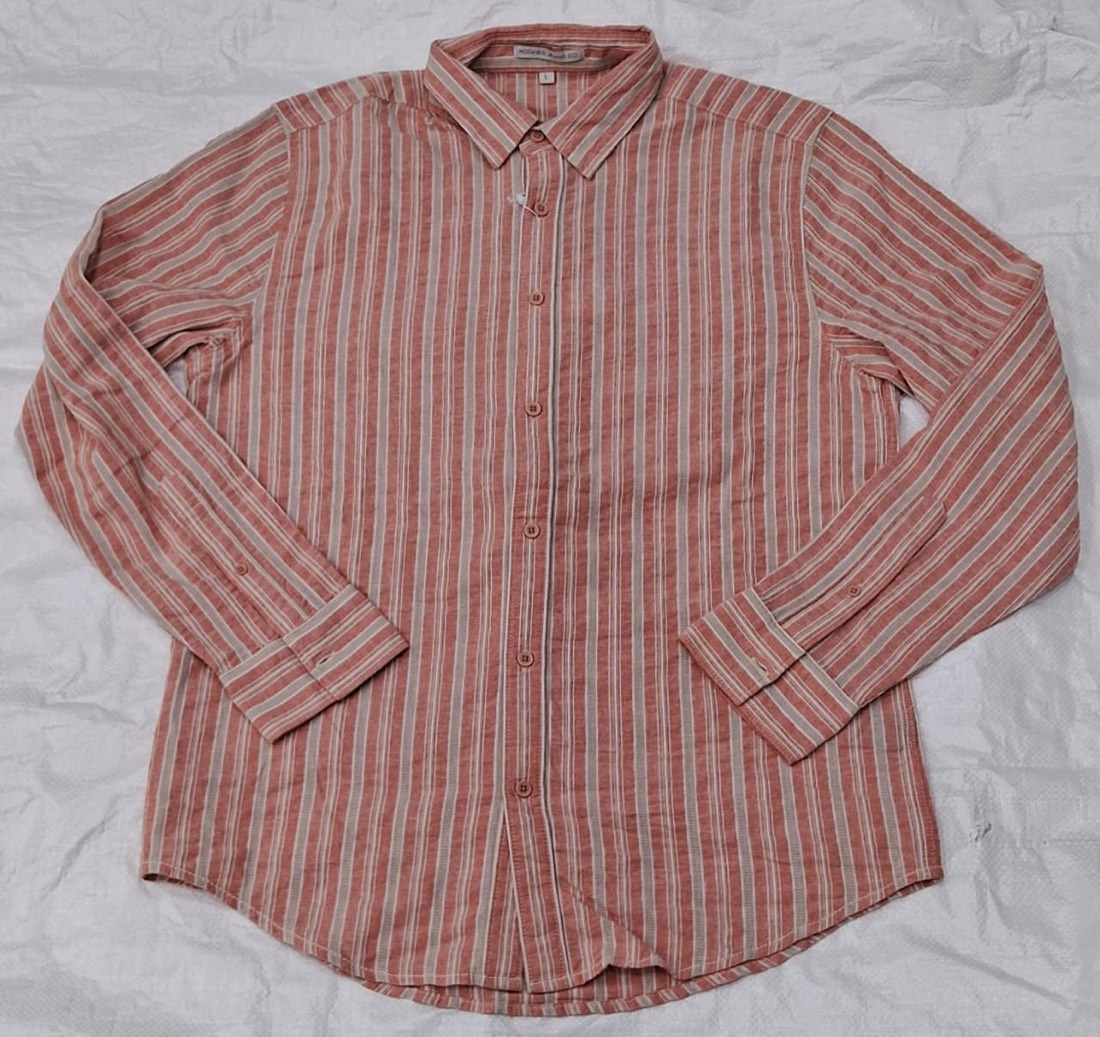
- J/01The Evolution of the Modern Formal ShirtHistory
- J/02Understanding Shirt Collar StylesCollars
- J/03The Importance of Proper Shirt FitFit
- J/04The Language of Shirt DetailsDetails
- J/05Building a Versatile Formal Shirt WardrobeWardrobe
- J/06Understanding Shirt ColoursColour
- J/07Formal Shirts for Professional DressingOffice
- J/08How to Coordinate Shirts and TrousersStyling
- J/09Fabric Appearance, Pattern and StyleFabric
- J/10The Modern Business WardrobeOccasions
§ 12Options MallThe publisher

Presented by Options Mall.
The Shirt Code is a menswear showcase by Options Mall — a fashion destination at Vile Parle Shopping Centre in Juhu, Mumbai. This publication is dedicated to men's formal shirts: how they are made, how they should fit and how to wear them well in contemporary professional life.
- FocusMen's formal shirts and contemporary dressing
- StoreVile Parle Shopping Centre, Above Sahakari Bhandar, V.M.Road, Juhu, Vile Parle West, Mumbai - 400049
- Contact+91 8369381345 · optionsclothingmumbai@gmail.com
Detailsmake thedifference.
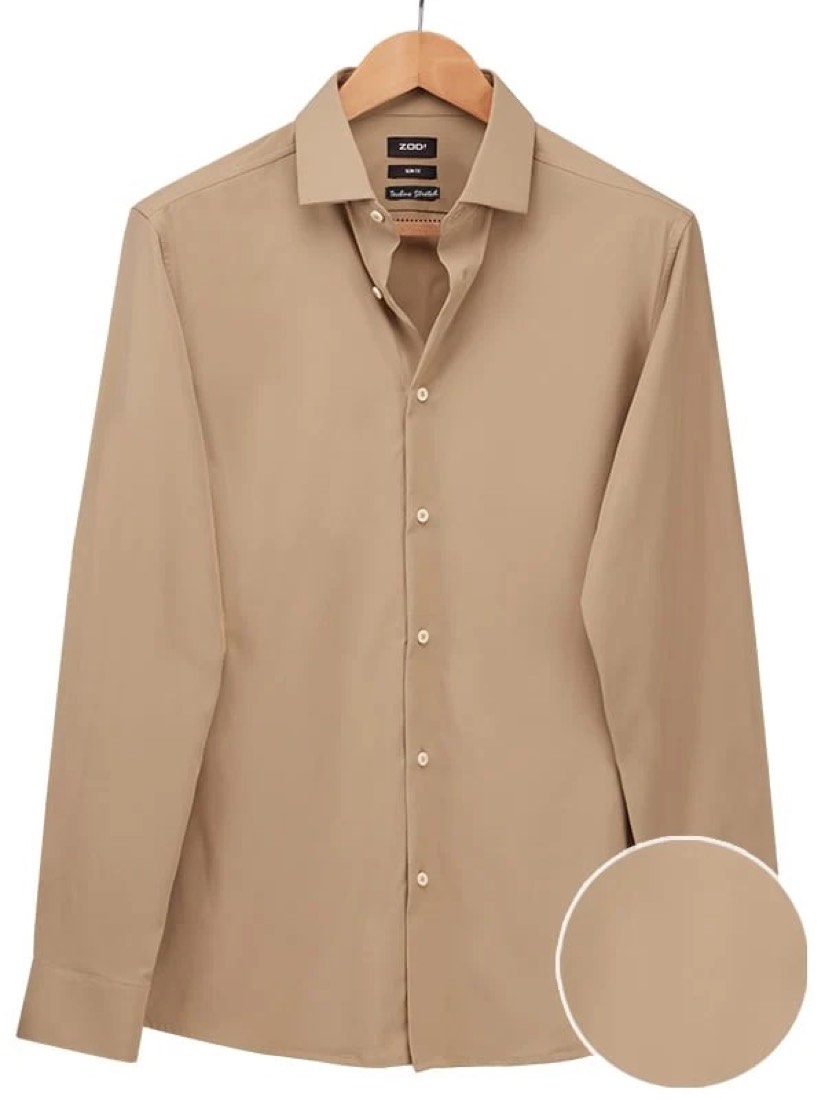
Discover how the right silhouette, collar, fit and finishing details shape the character of a modern formal shirt.
Explore the Collection