
The detail archive.
Two shirts can share a colour and a collar and still look entirely different. The difference lives in the details — cuffs, plackets, pockets, stitching and the construction of the back.
This archive files each detail in its own drawer, with drawings, close-ups and notes on what to look for. Nothing here requires a tape measure; it only asks you to look closely.
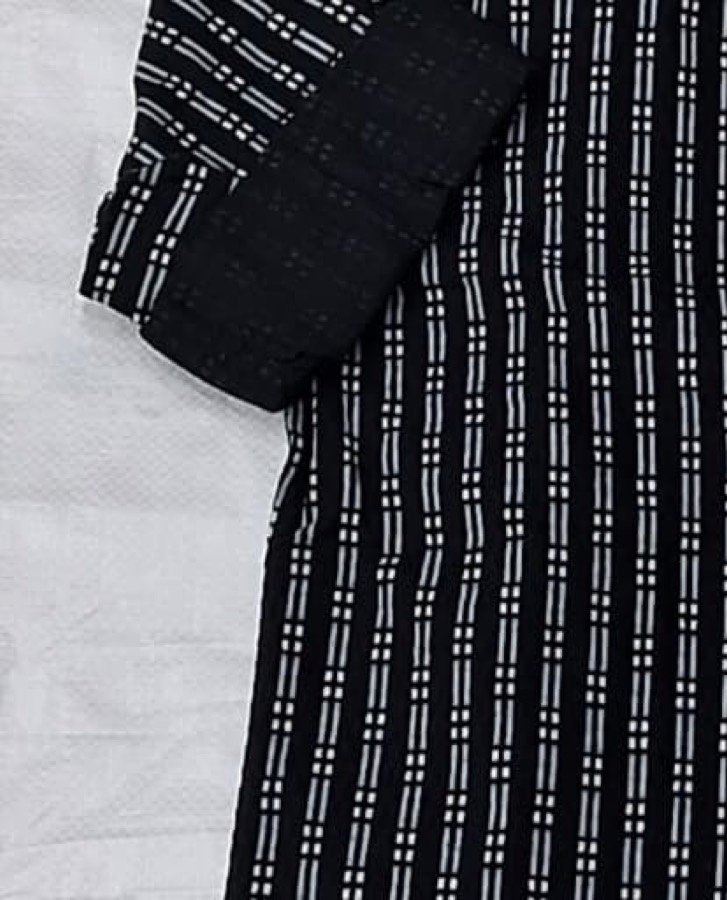
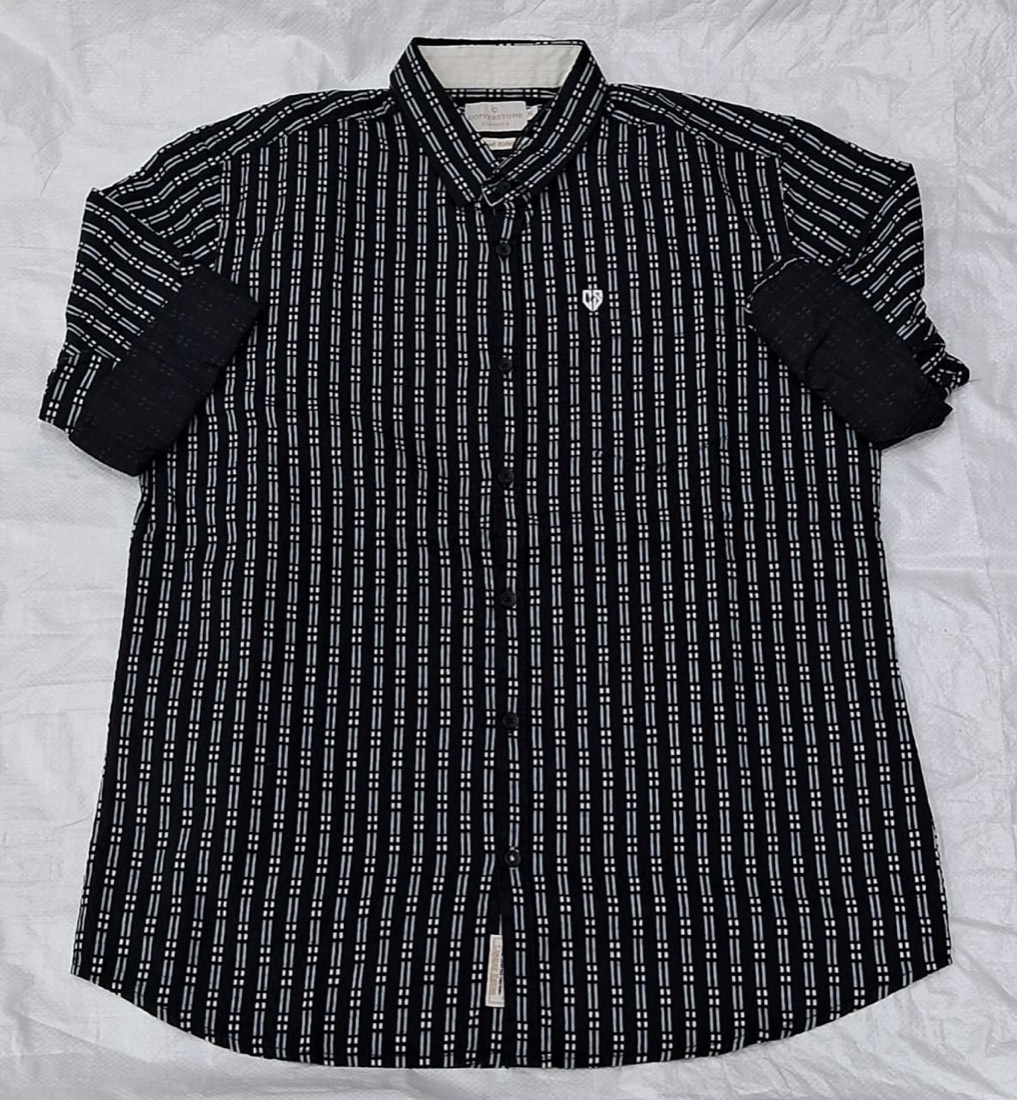
Drawer A Cuff variations
The cuff, catalogued.
The cuff closes the sleeve at the wrist and is, after the collar, the most visible detail of a formal shirt — especially beneath a jacket, where a small band of cuff should show below the sleeve.
Most formal shirts use a barrel cuff: a single band that wraps the wrist and closes with buttons. A double cuff (also called a French cuff) is twice as deep, folds back on itself and is fastened with cufflinks; it is the dressier option. Between them sits the convertible cuff, which can be worn with either a button or a cufflink.
Cuff shape matters too. Corners may be squared, angled (mitred) or rounded; rounded and angled corners soften the look, square corners feel crisper. Cuff depth should feel in proportion to the collar: deeper cuffs balance generous spreads, slimmer cuffs suit compact collars.
Single-button barrel
The everyday standard. Clean, practical, universal.
Two-button barrel
A deeper cuff with a little more presence; square corners.
Convertible
Closes with a button, or takes a cufflink through both holes.
Double / French
Folded back and fastened with cufflinks — formal occasions.
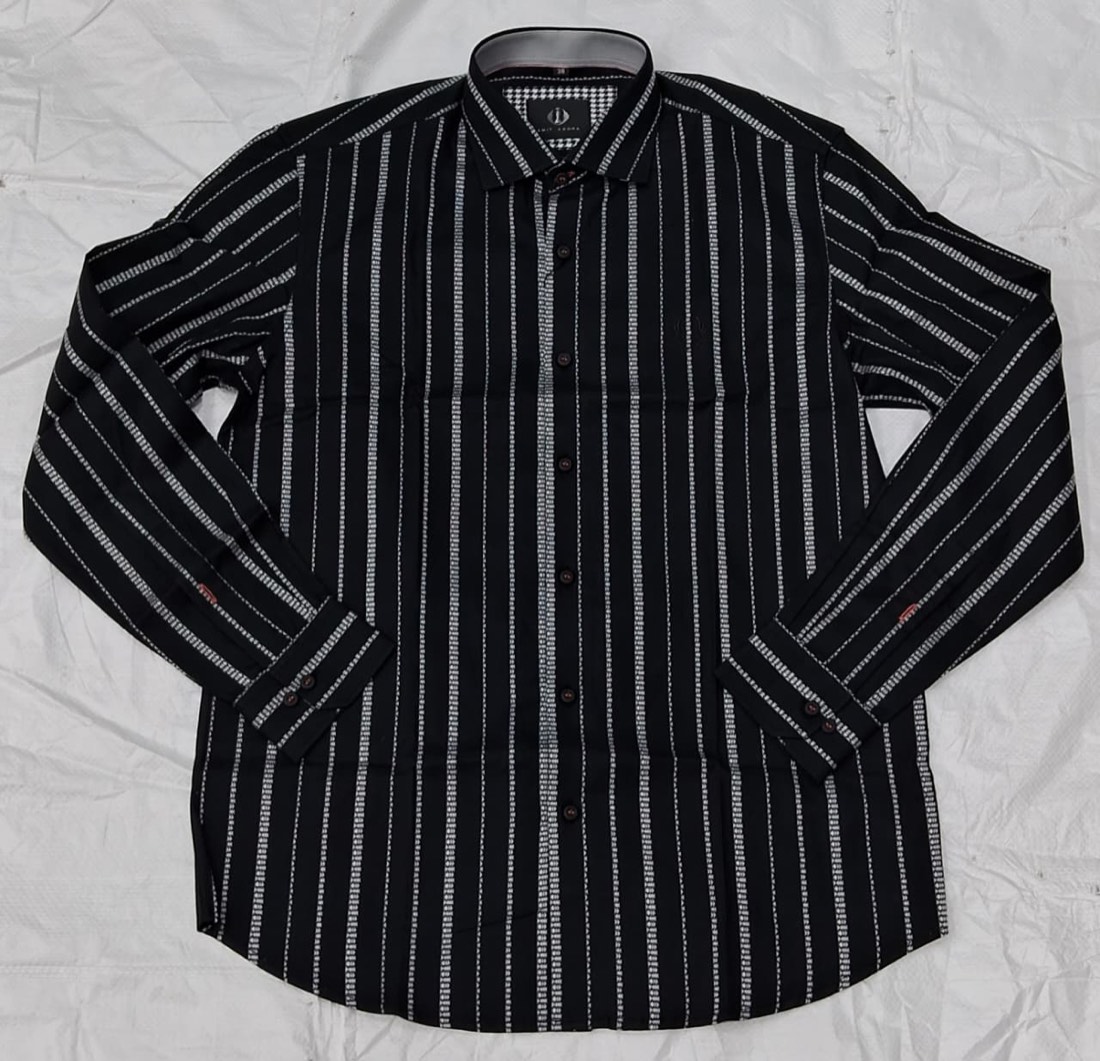
Drawer B Buttons & placket design
The front line.
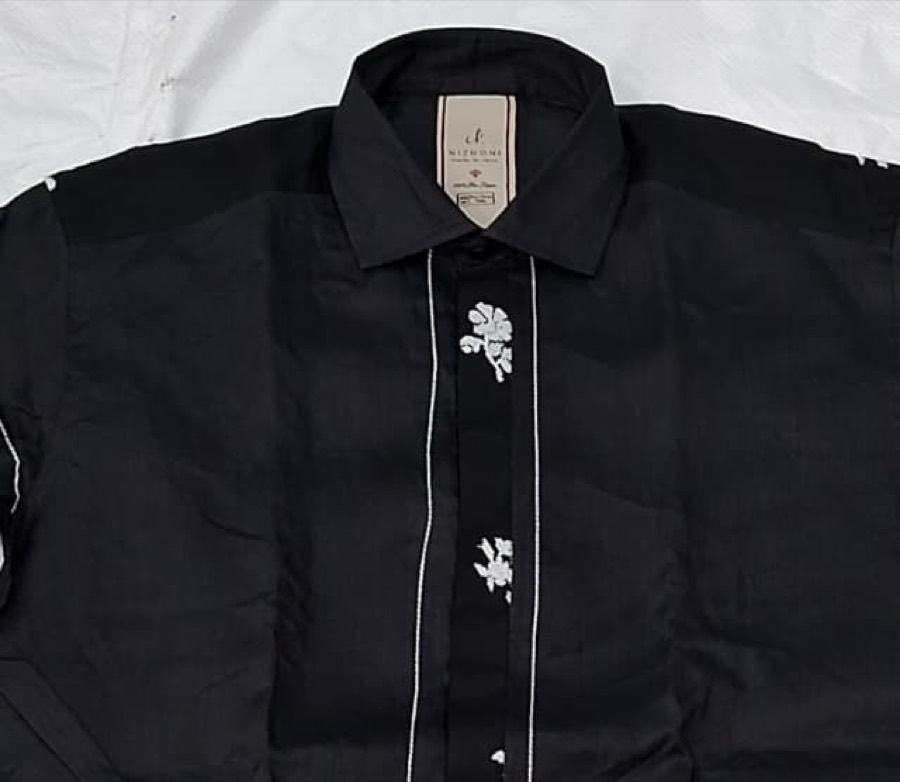
The placket is the strip of fabric down the shirt front that carries the buttons and buttonholes. It is the strongest vertical line on the garment, so its style quietly changes the shirt's formality.
- Front placketA visible, stitched strip — the classic, structured choice found on most formal shirts.
- French frontNo separate strip; the edge is simply folded under. Cleaner and slightly dressier.
- Concealed (fly) frontA fold of fabric hides the buttons entirely — the most minimal look, often used for evening shirts.
Button positioning
Buttons should be spaced evenly enough that the front doesn't gape when you sit, reach or turn. Check the area across the chest especially: a gap between buttons there usually means the shirt is too tight, not that the buttons are wrongly placed. On many shirts the top button sits on the collar stand, with the first front button just below.
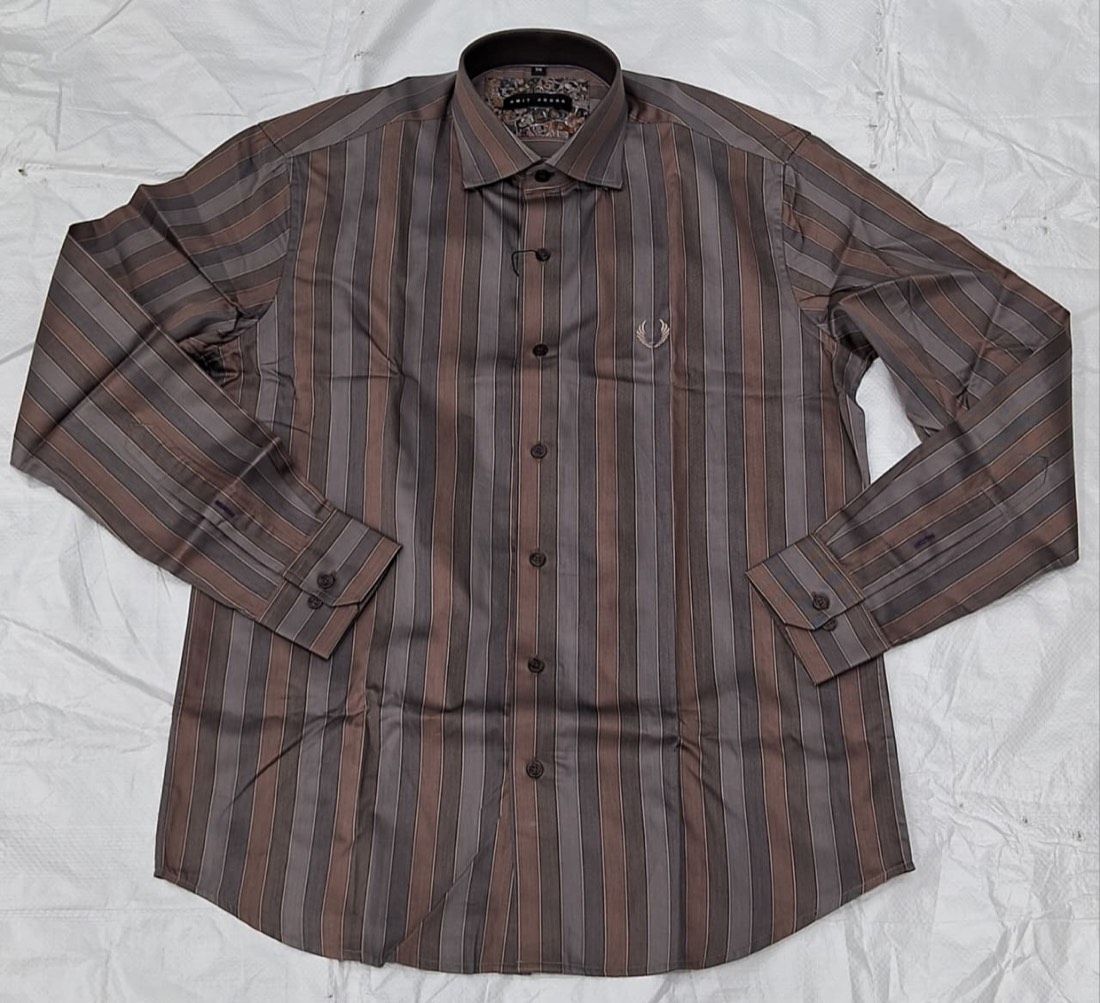
- 01Top button on the collar stand
- 02Stitched front placket carrying the line downward
- 03Even button spacing toward the hem
Drawer C Collar construction
What holds a collar up.
A collar is made of two parts: the stand, a band sewn to the neckline, and the leaf (or fall), which folds over it and carries the points. A well-proportioned stand lifts the collar so it sits neatly above a jacket's collar.
Inside, most formal collars use an interlining — an inner layer that gives body and shape. Some shirts also have pockets on the underside of the collar for collar stays: thin, removable strips that keep the points straight and sharp. Removing stays before washing helps them last.
When judging a collar, look for points that lie flat and symmetrical, a smooth curve where the leaf rolls over the stand, and fine, even stitching close to the edge.
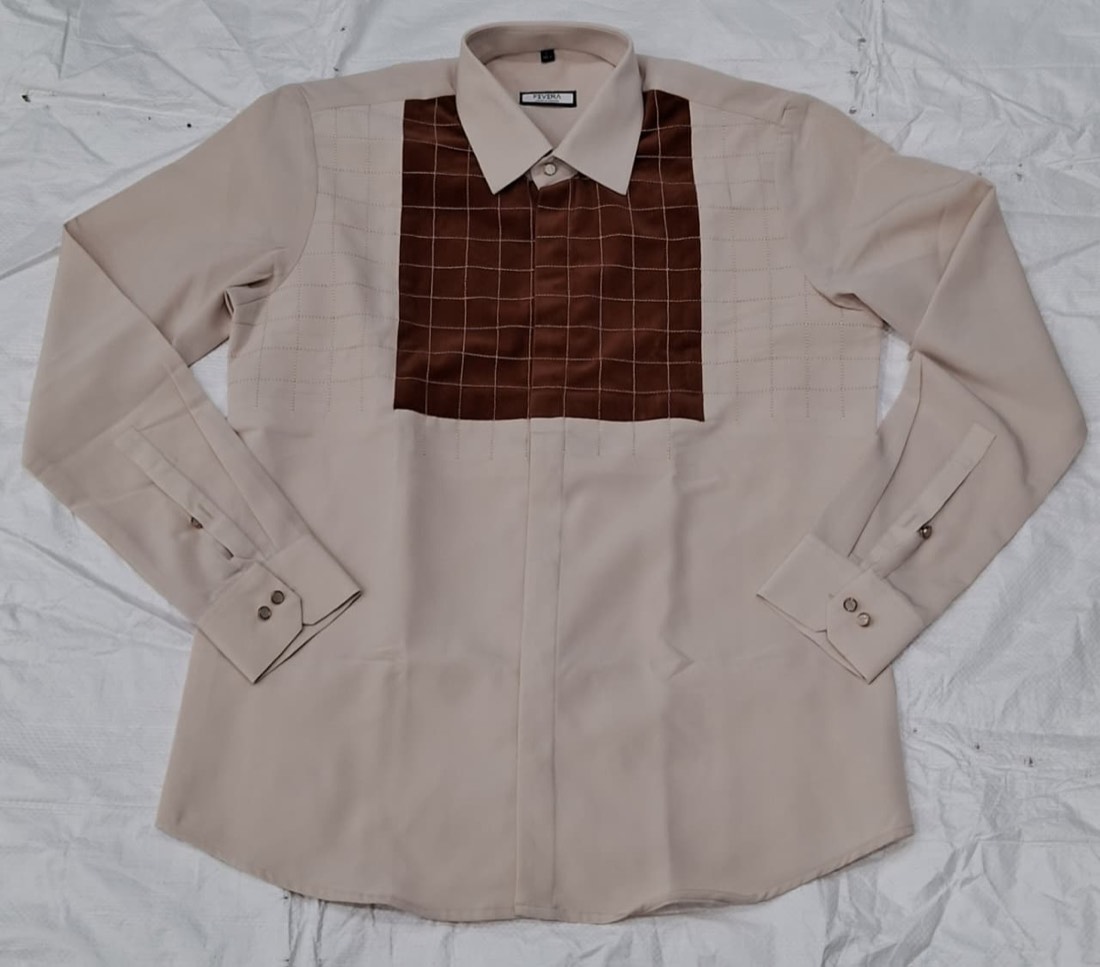
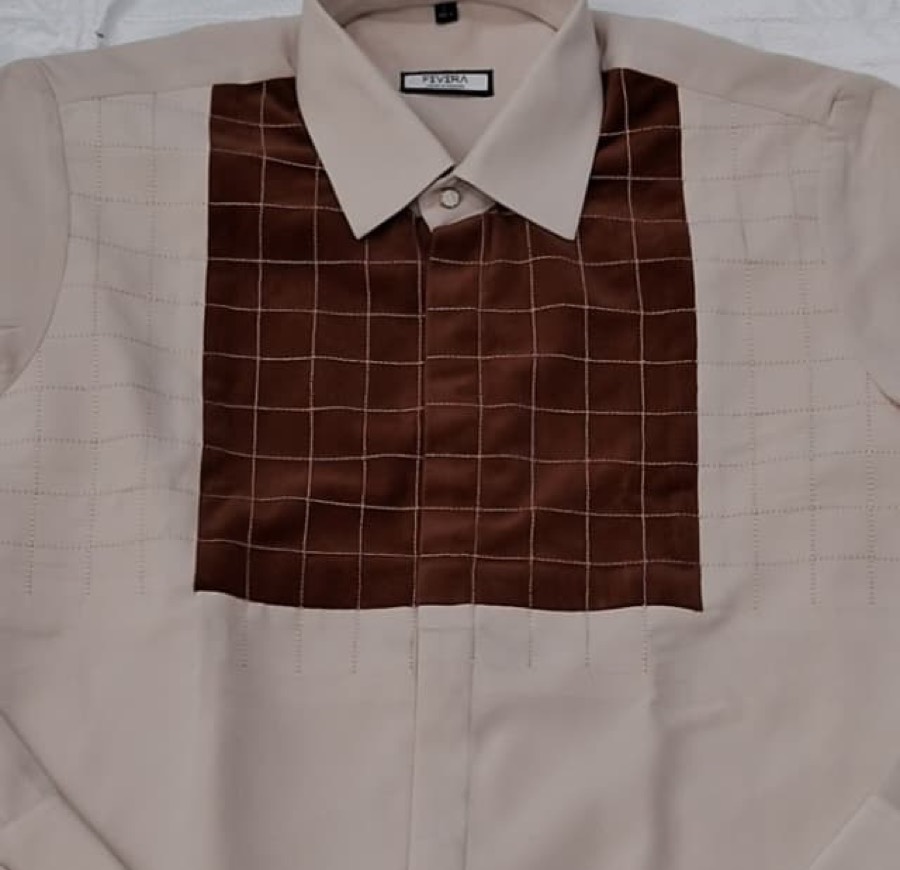
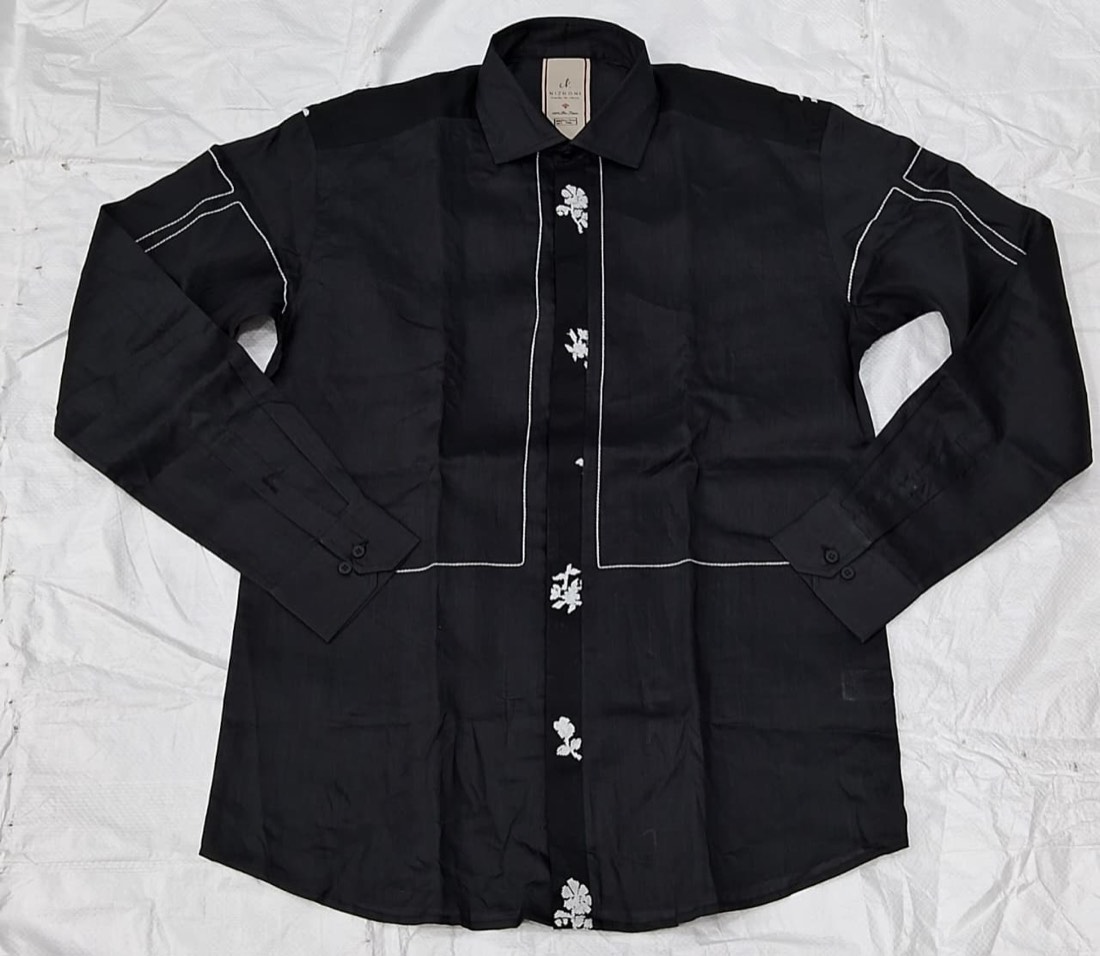
Note A bib — a separate panel on the shirt front — originates in formal evening shirts. Here it is used decoratively in a contrasting check.
Drawer D Pocket placement
One pocket, or none.
On formal shirts, the pocket is a quiet detail. Most have a single patch pocket on the left chest, positioned so it sits below the collar line and clear of the placket. Its shape may be squared, rounded or pointed at the base.
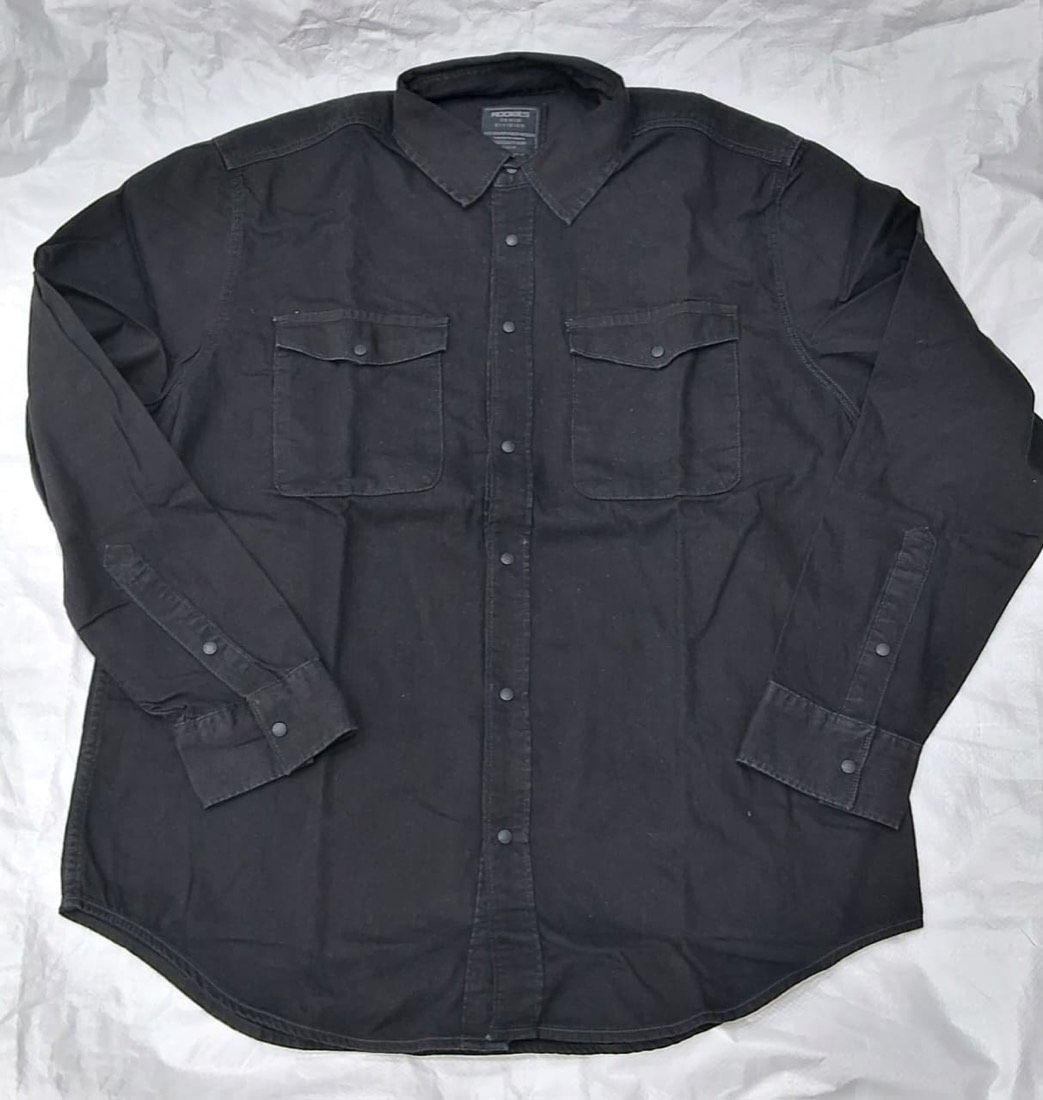
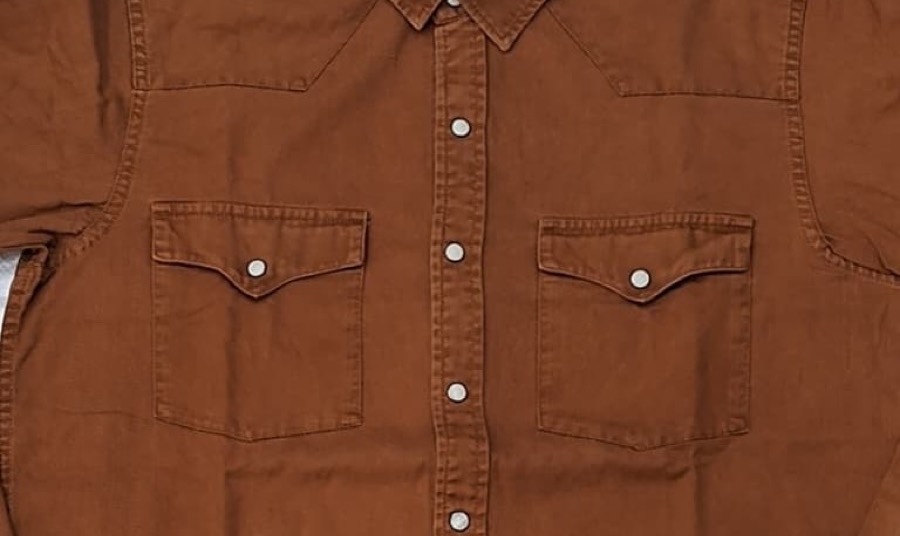
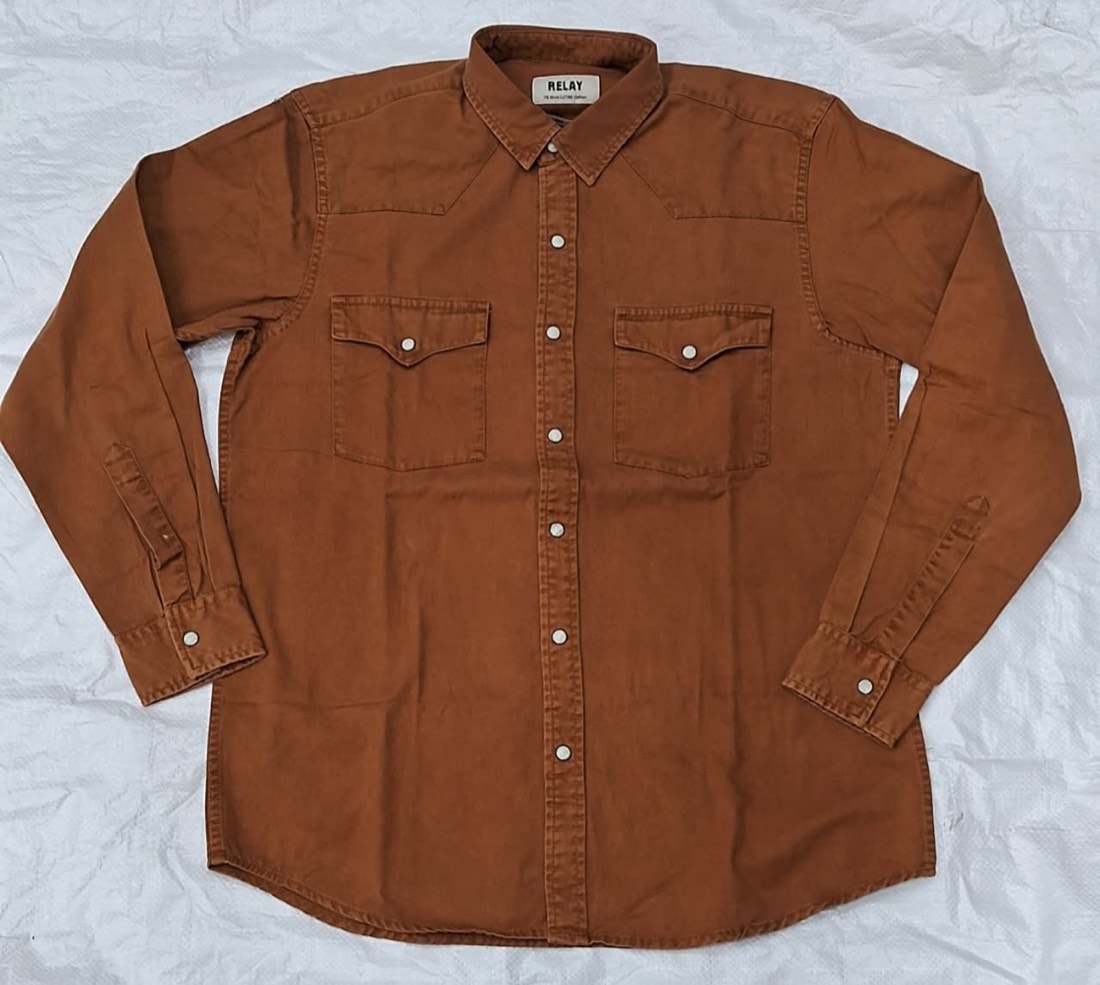
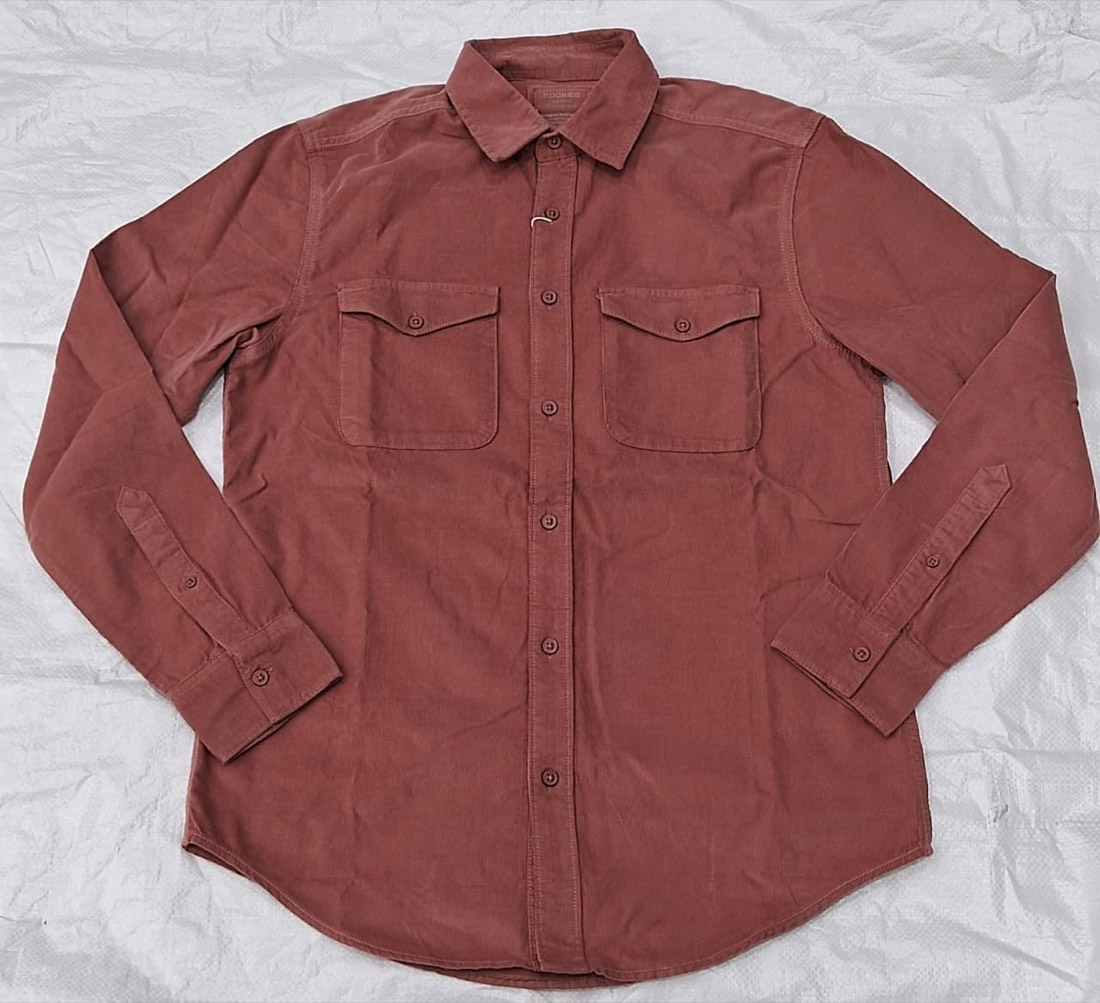
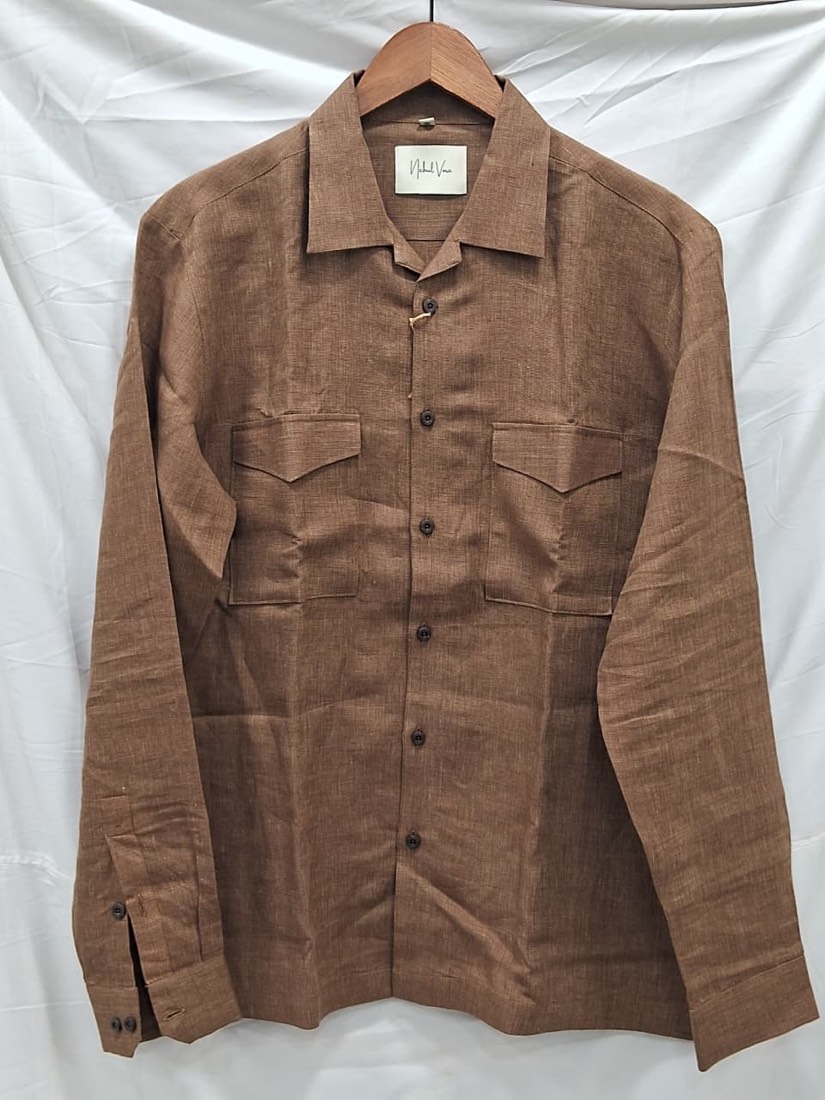
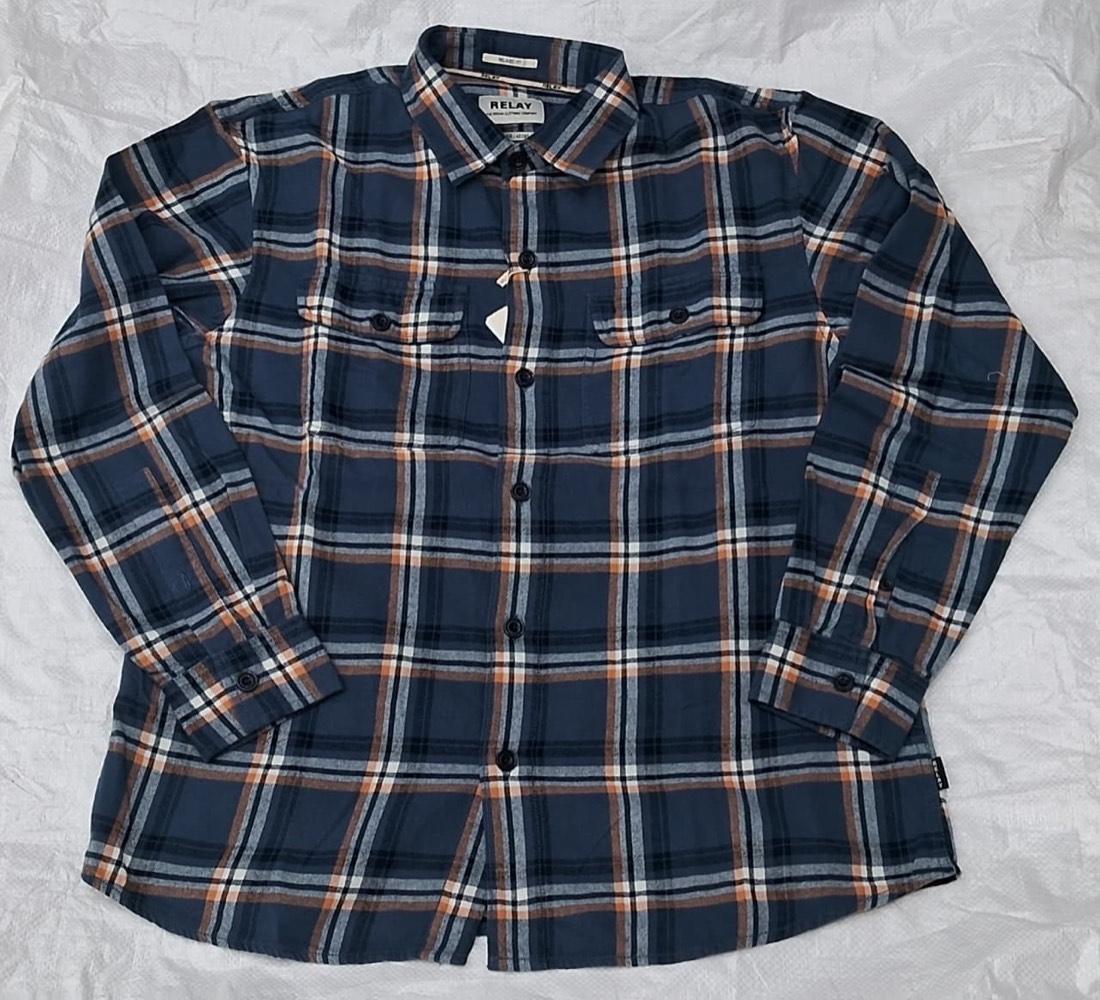
The dressiest formal shirts often have no pocket at all, which gives the cleanest front under a suit. At the other end of the scale, two chest pockets — especially with buttoned flaps — come from workwear and military shirts and signal a casual, utility character. They are excellent for weekend overshirts and relaxed smart-casual looks, but are best kept out of formal settings.
- No pocketMost formal; cleanest line under tailoring
- Single patchStandard on business shirts
- Twin flapUtility, casual, relaxed
Drawer E Stitching
Quality, in small stitches.
Stitching is where a shirt's care shows most honestly. Look along the collar edge, the placket and the cuffs. Good stitching is even, straight and close to the edge, with no loose threads, puckering or wandering lines.
Smaller, denser stitches generally look finer and hold seams more neatly than long, loose ones. Seams should lie flat; where pattern meets seam — on stripes and checks especially — a careful maker will try to line the pattern up so it continues across the join.
- EdgesTopstitching parallel and close to the collar and cuff edges
- SeamsFlat, with no puckering or pulling
- PatternStripes and checks aligned where possible at the placket, pocket and yoke
- ButtonsSecurely attached; buttonholes cleanly finished with no fraying
- InsideNeat, finished seam allowances — turn the shirt inside out and look
Drawer F Sleeve details
Above the cuff.
Just above the cuff, a slit in the sleeve lets it open wide enough for the hand. This opening is finished with a sleeve placket, sometimes called a gauntlet. Many formal shirts add a small button halfway along it — the gauntlet button — so the opening doesn't gape and reveal the arm.
Where the sleeve meets the cuff, the extra width of the sleeve is usually gathered into one or two small pleats. These allow the sleeve to sit fuller along the forearm and still close neatly at the wrist.
Sleeve length is a fit question rather than a detail one: with arms relaxed, the cuff should land at the wrist bone. See the Fit Manual.
Fig. F1 The sleeve end, drawn — placket, gauntlet button, pleat and cuff
Drawer G Back construction
The view from behind.
The back of a shirt is rarely looked at, but it determines how the shirt moves. Across the shoulders runs the yoke, a separate panel that joins front and back. A split yoke — cut in two pieces joined at the centre — is a traditional detail that can help the yoke follow the shape of the shoulders.
Below the yoke, extra room for movement is added with pleats or removed with darts:
- Box pleatA single centre pleat; generous room, classic look
- Side pleatsTwo pleats near the shoulder blades; room where the arms reach
- DartsVertical tucks at the lower back that shape a slimmer silhouette
- Plain backNo pleats; common on closer-cut shirts
Box pleat
Centre pleat below the yoke.
Side pleats
Two pleats toward the shoulders.
Darts
Shaping at the lower back.
Split yoke
Yoke cut in two, joined at centre.
Drawer H Finishing details
The last few millimetres.
Hem. Formal shirts usually have a curved "shirttail" hem, longer at front and back and higher at the sides, designed to stay tucked in. Shirts cut with a straight, shorter hem are intended to be worn untucked and belong to casual dressing.
Side gussets. Some shirts add a small triangular piece of fabric where the side seam meets the hem, reinforcing the point that takes the most strain.
Buttons. Look for buttons that sit flat and are firmly sewn, and for buttonholes that are neatly finished. Spare buttons, when provided, are worth keeping.
Decorative finishing. Piping, contrast facings inside the cuff or collar band, and contrast buttonhole threads add personality. Used sparingly, they signal a contemporary shirt; used heavily, they move it towards evening or casual wear.
Look closer. Then closer still.
Details reward attention. Next, see how fit brings all of them together on the body.